Joint pain can turn movements into calculated decisions. Choosing care requires more than comparing an injection with an operation.
Comparing stem cell therapy vs surgery for joint pain requires diagnosis, structural damage, evidence, goals, and acceptable risk. These options serve different clinical purposes and are not interchangeable.
Some patients may qualify for conservative or investigational approaches. Others need surgery because mechanical damage cannot be corrected through an injection.
Understanding stem cell therapy vs surgery for joint pain begins with one question. What is causing the pain, and which option addresses that cause?
The Diagnosis Shapes the Choice
Joint pain may arise from osteoarthritis, cartilage injury, instability, inflammatory disease, infection, or referred pain. Treatment should target the identified problem.
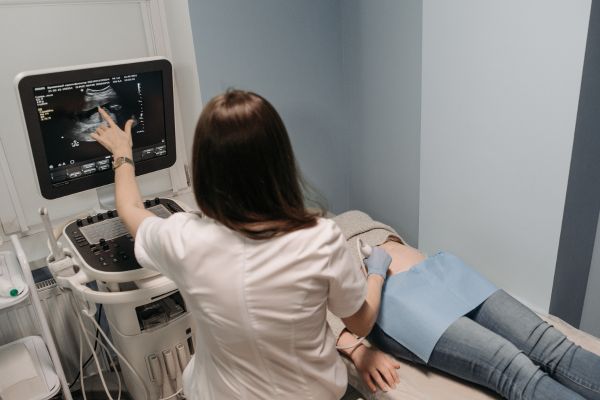
Physicians may use examination findings, imaging, laboratory results, and treatment history. These details reveal whether damage is mild, moderate, advanced, or mechanically unstable.
Tendon pain should not automatically be treated like arthritis.
An accurate diagnosis helps prevent false comparisons. Neither regenerative care nor surgery should be selected only because it appears newer or more definitive.
Stem Cell Therapy vs Surgery for Joint Pain
The main difference involves what each approach attempts to accomplish. Surgery can repair, reconstruct, realign, fuse, or replace damaged structures.
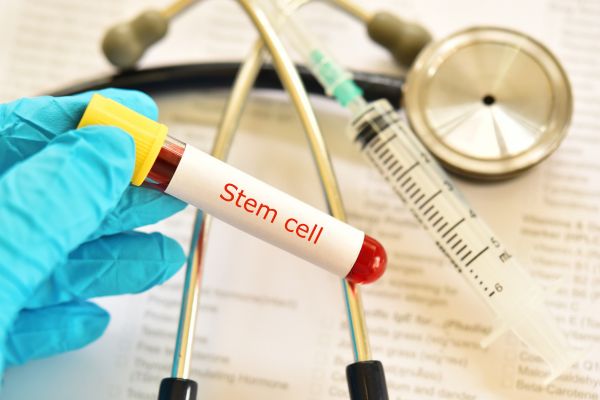
Regenerative interventions are generally discussed as non-surgical alternatives or investigational options. They do not mechanically replace a destroyed joint or correct major deformity.
Evidence for orthopedic stem cell applications remains limited and inconsistent. Major medical authorities do not consider marketed cell procedures proven replacements for joint surgery.
Therefore, stem cell therapy vs surgery for joint pain should not be framed as an equal contest. The appropriate choice depends on pathology and evidence.
At Stem Cell Medellín, physician assessment should precede any discussion about regenerative suitability. A consultation cannot guarantee that a patient qualifies.
Comparing Benefits and Limitations
Surgery may provide meaningful improvement when joint damage is advanced. However, outcomes depend on the procedure, diagnosis, health, rehabilitation, and possible complications.
Potential surgical risks include infection, bleeding, blood clots, anesthesia complications, stiffness, and implant-related problems. Risk levels differ between arthroscopy, reconstruction, and replacement.
Regenerative procedures may involve smaller access points and less immediate tissue disruption. This feature is often described as minimally invasive care.
Minimally invasive does not mean risk-free or proven effective. Possible concerns include infection, bleeding, inflammatory reactions, product contamination, or no meaningful benefit.
The evidence question is crucial when comparing stem cell therapy vs surgery for joint pain. A shorter procedure cannot compensate for weak evidence or unsuitable anatomy.
Recovery Time Is Not a Simple Number
A recovery time comparison must examine more than days away from work. Recovery includes wound care, pain control, mobility, rehabilitation, and return to meaningful activity.
Some regenerative procedures may require limited downtime. However, aftercare and activity restrictions depend on the treated area and administration method.
Surgical recovery varies widely. A small arthroscopic procedure differs significantly from ligament reconstruction or total joint replacement.
Faster initial mobility does not prove better long-term results. Conversely, a longer rehabilitation period may be reasonable when surgery corrects a structural problem.
Patients should ask when driving, working, exercising, and climbing stairs may resume. They should also discuss caregiving support and rehabilitation requirements.
Matching Treatment to the Stage of Disease
The stage of joint disease often changes the decision. Early symptoms may first receive exercise, weight management, medication, or physical therapy.
When conservative care fails, physicians may discuss injections, investigational regenerative joint options, or surgical assessment. The sequence depends on the diagnosis and patient.
Advanced cartilage loss, deformity, instability, or fracture may reduce the relevance of regenerative approaches. Surgery may offer a clearer mechanical solution.
However, age alone should not determine the recommendation. Health, function, goals, evidence, and willingness to complete rehabilitation all matter.
Comparing stem cell therapy vs surgery for joint pain requires honest recognition of each option’s limits. Avoiding surgery should not become the only goal.
Questions That Reveal a Better Recommendation
Patients should ask:
- What diagnosis explains my symptoms?
- How advanced is the structural damage?
- What evidence supports each option?
- What outcome is realistically achievable?
- Which risks apply to my health?
- What rehabilitation will I need?
- What happens if treatment fails?
- Could waiting make surgery more difficult?
These questions help uncover whether a recommendation is medically reasoned. They also expose guarantees or claims unsupported by diagnostic findings.
Personas que investigan terapia con células madre en Colombia should request clear information about products, evidence, and alternatives.
At Stem Cell Medellín, discussions can include treatment goals, records, and relevant imaging. Final decisions should reflect individual findings and appropriate specialist input.
Making an Evidence-Based Choice
A sound comparison of stem cell therapy vs surgery for joint pain begins with diagnosis rather than preference. Each option has distinct purposes, limitations, and uncertainties.
Regenerative care should not delay necessary surgery. Surgery should not be recommended before reasonable alternatives receive proper consideration.
The best decision is the option most aligned with evidence, anatomy, health, and functional goals. No treatment can guarantee recovery.
Preguntas frecuentes
1. Can stem cell therapy replace joint replacement surgery?
Current evidence does not establish regenerative injections as replacements for joint replacement. Severe cartilage loss or deformity may require surgical correction after specialist evaluation.
2. Is regenerative treatment always less risky?
No. A smaller procedure may avoid certain surgical risks, but it still carries uncertainty and possible complications. Risk must be assessed for the exact product.
3. Which option has a shorter recovery period?
Some regenerative procedures involve less immediate downtime. Surgical recovery depends on the operation. Recovery length alone cannot determine which treatment is medically appropriate.
4. When might surgery provide a clearer benefit?
Surgery may provide a clearer mechanical solution for advanced damage, severe instability, fractures, or deformity. An orthopedic surgeon should assess the relevant imaging and symptoms.
5. Are stem cell treatments proven for osteoarthritis?
Evidence remains limited and mixed for orthopedic stem cell interventions. Patients should ask whether reliable studies support the specific product and proposed use.
6. How does the clinic compare available options?
Stem Cell Medellín considers the diagnosis, imaging, medical history, previous care, and patient goals. Surgical input may be recommended when structural damage requires specialist assessment.
7. What should guide the final treatment decision?
When comparing stem cell therapy vs surgery for joint pain, carefully prioritize diagnosis, evidence, safety, realistic outcomes, and rehabilitation.