People often imagine regenerative care as a single injection. In practice, how stem cell therapy is administered depends on the medical purpose, cellular product, target tissue, and protocol governing its use. Administration is only one stage within a broader clinical pathway.
Learning how stem cell therapy is administered helps patients ask more precise questions. It also clarifies why two cell-based procedures may differ considerably, even when both are described as stem cell therapy.
Treatment Begins With Clinical Planning
The first step is not preparing a syringe. It is deciding whether a particular intervention fits the diagnosis and available evidence. Medical history, physical findings, imaging, laboratory results, medicines, allergies, and previous treatment may shape that decision.
During treatment planning, the physician identifies the intended treatment site and appropriate route. The plan may also define preparation requirements, observation needs, follow-up, and reasons to postpone the procedure.
The FDA notes that cellular therapies include several distinct product types and medical uses. Patients should not assume that evidence or regulatory status for one product applies to another. FDA information distinguishes approved cellular products from interventions that remain investigational.
Preparing the Patient and Treatment Area
On the procedure day, staff confirms the patient’s identity, planned intervention, target location, allergies, and relevant medical information. This verification helps prevent avoidable errors and forms an essential part of how stem cell therapy is administered in a controlled clinical setting.
A sterile environment involves more than maintaining a clean room. It requires infection-control practices, protective equipment, sterile supplies, skin preparation, and careful product handling. The necessary precautions depend on the selected route and clinical protocol.
At Stem Cell Medellín, physician assessment guides the treatment pathway before scheduling. This connects preparation and administration decisions to the patient’s clinical findings.
How Stem Cell Therapy Is Administered
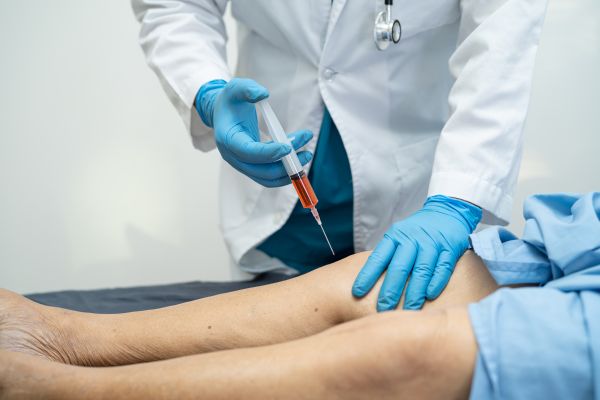
Administration routes vary because different treatments are designed for different biological targets. An orthopedic intervention may be delivered into or around a joint. Other regulated cellular therapies may be administered through intravenous infusion. Certain specialized applications use routes specific to their approved or research protocol.
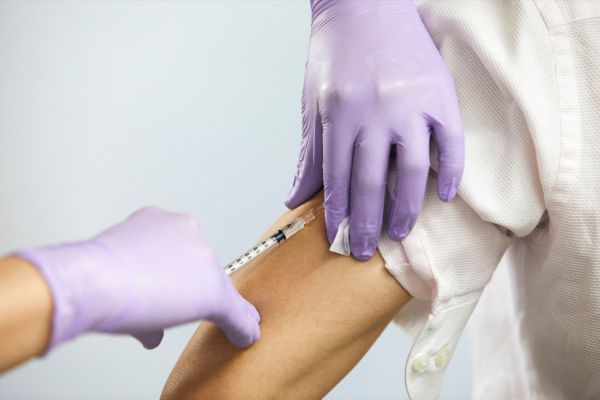
During a stem cell injection procedure, the clinician positions the patient and identifies the treatment site. The skin is prepared, and the product is administered using the planned technique.
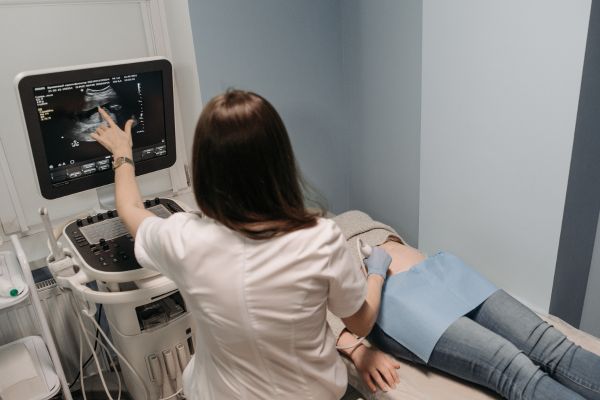
A guided injection uses ultrasound, fluoroscopy, or another imaging method to help the clinician visualize anatomy and direct the needle. Guidance may improve placement for certain targets, but its usefulness depends on the procedure. It does not prove that the cellular product will be effective.
Product Verification Before Administration
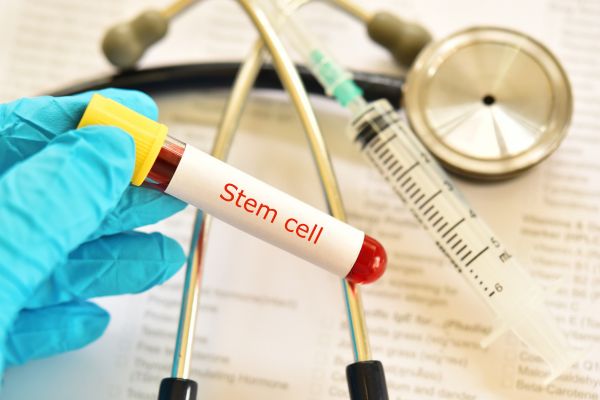
How stem cell therapy is administered varies by product, so clinicians document the selected delivery method to support accurate treatment records and follow-up care.
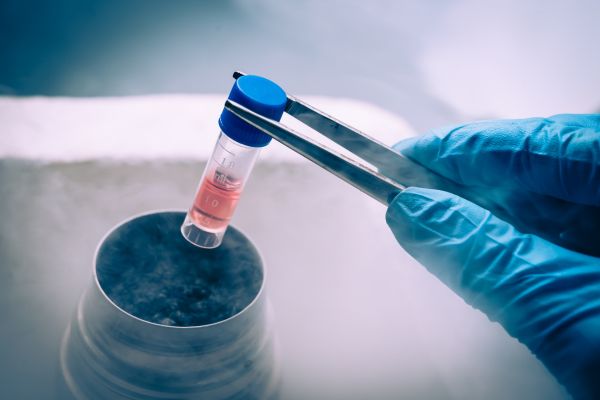
The regenerative treatment process may differ depending on whether cells are collected and used during one visit or prepared through another pathway. Patients should ask where the product came from, what processing occurred, and which quality controls apply.
Product preparation should follow documented clinical protocols. Improvisation can introduce contamination, identification errors, or inconsistent delivery. A reputable team should be able to explain the process without relying on vague terms such as “natural” or “advanced.”
Monitoring During and After the Procedure
Understanding how stem cell therapy is administered also requires attention to what happens immediately afterward. The administration itself may be brief, but clinical responsibility continues during observation and follow-up.
Medical monitoring may include checking vital signs, reviewing discomfort, and watching for an immediate reaction. The type and duration of observation depend on the product, route, medications used, and patient-specific concerns.
Follow-up can document symptoms, function, adverse events, and changes in the treatment plan. The International Society for Stem Cell Research emphasizes informed consent, adverse-event planning, and systematic outcome monitoring in its clinical translation guidelines.
Questions That Clarify the Clinical Process
Patients do not need to master laboratory science, but they should receive understandable answers before agreeing to treatment. Useful questions include:
- What exact product is being administered?
- Are the cells from a donor or me?
- Why was this delivery route selected?
- Will imaging guide the injection?
- Who will perform the procedure?
- What monitoring occurs afterward?
- Which symptoms require urgent care?
- What evidence supports this use?
People considering stem cell therapy in Colombia should also ask which regulations and facility standards apply. Location alone cannot establish quality; transparent answers and appropriate medical oversight are essential.
At Stem Cell Medellín, patients can discuss procedural stages during a clinical consultation. The discussion should connect administration choices to diagnosis, evidence, safety considerations, and individual treatment goals.
From Administration to Follow-Up
Knowing how stem cell therapy is administered means recognizing that treatment is more than product delivery. Clinical assessment, product verification, route selection, sterile technique, observation, and follow-up work together as one coordinated process.
Frequently Asked Questions
1. Is every stem cell treatment given by injection?
No. Some interventions use a localized injection, while certain regulated cellular therapies use intravenous infusion. Specialized applications may follow other protocol-specific routes.
2. Does the patient need anesthesia?
Not always. Some localized procedures may use local anesthesia, while others require different pain-control measures. The physician should explain what is planned, why it is needed, and what sensations to expect.
3. What is an image-guided injection?
An image-guided procedure uses ultrasound, fluoroscopy, or another technology to visualize anatomy during needle placement. Guidance may support accurate targeting, but it does not guarantee that the biological treatment will work.
4. How long does administration take?
Timing varies according to preparation, delivery route, treatment area, and observation requirements. Patients should ask for the complete appointment timeline instead of focusing only on the minutes needed to administer the product.
5. What happens immediately after treatment?
The team may check vital signs, assess discomfort, and watch for immediate reactions. Before discharge, patients should receive recovery instructions, warning signs, contact details, and a follow-up plan appropriate to the procedure.
6. How does the clinic determine the delivery method?
Stem Cell Medellín considers the diagnosis, target tissue, proposed product, available evidence, and individual health information. A route should be selected for a clinical reason rather than patient preference alone.
7. What should patients confirm before proceeding?
When asking how stem cell therapy is administered, patients should confirm the product source, delivery route, clinician’s role, imaging use, monitoring plan, possible risks, regulatory status, and supporting medical evidence.