Recovery questions often begin before a patient decides whether regenerative care is appropriate. Clear stem cell therapy recovery expectations can reduce uncertainty and support safer planning.
There is no universal recovery schedule for every cell-based procedure. The treatment site, delivery method, diagnosis, and general health can influence the experience.
Reliable stem cell therapy recovery expectations should describe possibilities rather than promise results. Medical guidance must remain specific to the procedure and individual patient.
Recovery Planning Starts Before Treatment
Preparation can influence how comfortably a patient manages the first days afterward. The care team should explain medicines, transportation, activity limits, and follow-up arrangements beforehand.
During treatment planning, physicians review the diagnosis, current symptoms, medical history, and previous care. They also identify factors that could affect healing or require additional monitoring.
Patients should arrange practical support when recommended. This may include help with driving, stairs, meals, or household responsibilities.
At Stem Cell Medellín, recovery guidance follows physician assessment and the planned intervention. Instructions should reflect clinical findings rather than a generic schedule.
Stem Cell Therapy Recovery Expectations During the First Days
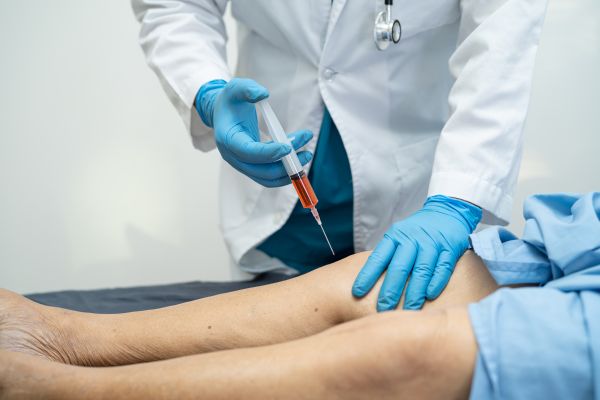
The early recovery period varies between procedures. Some patients may experience localized soreness, mild swelling, stiffness, or temporary discomfort near the treatment area.
These symptoms can overlap with an inflammatory response following tissue irritation or an injection. However, discomfort should not automatically be described as proof that treatment is working.
Patients need written instructions explaining expected symptoms and concerning changes. Increasing redness, fever, drainage, breathing difficulty, or rapidly worsening pain requires medical attention.
Good post-procedure care may include protecting the treatment area and following medication instructions. Patients should avoid adding supplements or pain medicines without medical approval.
Understanding stem cell therapy recovery expectations helps patients avoid two mistakes. They should neither panic about every mild symptom nor ignore a potentially serious change.
Returning to Movement and Daily Activities
Activity advice depends on the treated area, procedure, baseline function, and physician’s plan. Immediate complete rest is not appropriate for every patient.
Individual mobility guidelines may describe walking, weight-bearing, stretching, work duties, and exercise. Instructions may change as symptoms and function develop.
Patients should not copy another person’s rehabilitation plan. A knee procedure, spinal intervention, and intravenous therapy involve different recovery considerations.
Pain alone is not always a reliable guide for activity. Some movements may feel comfortable but still exceed the recommended early load.
Conversely, excessive fear can lead to unnecessary inactivity. The clinical team should define safe boundaries and explain how activity may progress.
Why Improvement May Be Gradual
Many patients want to know when they will notice a change. Honest stem cell therapy recovery expectations should not assign one guaranteed date.
The treatment timeline may depend on diagnosis, disease severity, baseline function, rehabilitation, and the biological product. Evidence also varies significantly between clinical applications.
Short-term soreness and longer-term outcomes are different issues. Feeling better quickly does not prove tissue repair or predict lasting benefit.
Likewise, limited early change does not always establish treatment failure. Physicians may need repeated assessments to interpret symptoms, movement, and function.
Any gradual improvement should be evaluated against defined goals. Useful measures may include walking tolerance, joint movement, daily tasks, or validated symptom scores.
Follow-Up Turns Symptoms Into Useful Information
Follow-up is not simply a courtesy call. It allows clinicians to identify complications, assess function, and adjust activity recommendations.
The International Society for Stem Cell Research emphasizes extended monitoring for some cell-based interventions. Its clinical guidance notes that transplanted cells may persist for long periods.
Patients can support monitoring with records. Notes may include pain patterns, swelling, mobility, medication use, and unusual symptoms.
Consistent records make stem cell therapy recovery expectations easier to evaluate against the actual course. They also help separate temporary fluctuations from meaningful changes.
The FDA encourages patients to report injuries, worsening symptoms, or adverse effects involving regenerative products. Its reporting guidance explains which product and treatment details are useful.
Building a Recovery Plan Around Real Goals
Recovery should reflect relevant function, not marketing language. Goals need to be specific, observable, and medically realistic.
A patient might track standing duration, walking distance, sleep interruption, or daily activity. The best measure depends on the problem.
People considering regenerative treatment in Medellín should ask how progress will be evaluated. They should also ask what happens when recovery differs from the initial plan.
At Stem Cell Medellín, follow-up discussions can connect symptoms with individual goals and clinical findings. No responsible plan can guarantee pain relief, regeneration, or a fixed recovery date.
A Practical View of Recovery
Accurate stem cell therapy recovery expectations combine preparation, appropriate activity, symptom awareness, and scheduled reassessment. Recovery is a monitored process, not a single promised milestone.
Patients should follow their own instructions and report concerning changes promptly. Their treatment team can then decide whether reassurance, modification, testing, or urgent care is appropriate.
Frequently Asked Questions
1. How long does recovery usually take?
Recovery length depends on the procedure, treatment site, diagnosis, and individual health. Patients should request a personalized timeline because one estimate cannot represent every cell-based intervention.
2. Is soreness normal after treatment?
Temporary soreness may occur after certain procedures, especially near an injection site. Patients should receive guidance about expected intensity, duration, and warning signs requiring medical review.
3. When can normal exercise resume?
Exercise timing depends on the treated area and physician’s instructions. Patients should follow individualized activity limits and avoid returning to demanding exercise solely because discomfort has decreased.
4. Does inflammation mean the treatment is working?
No. Swelling or soreness may reflect a procedural response, but it does not prove therapeutic benefit. Persistent, severe, or worsening symptoms should be discussed with a physician.
5. Should patients continue physical therapy?
Physical therapy may support recovery for some musculoskeletal conditions. Its timing and intensity should match the procedure, diagnosis, and physician’s plan rather than follow a standard program.
6. How does the clinic support recovery?
Stem Cell Medellín provides individualized instructions and follow-up guidance based on the planned procedure. Patients should use the supplied contact route when questions or unexpected symptoms arise.
7. What should patients expect before booking?
Patients reviewing stem cell therapy recovery expectations should ask about aftercare, activity limits, follow-up, warning signs, and measures. Clear answers are more reliable than guaranteed timelines.