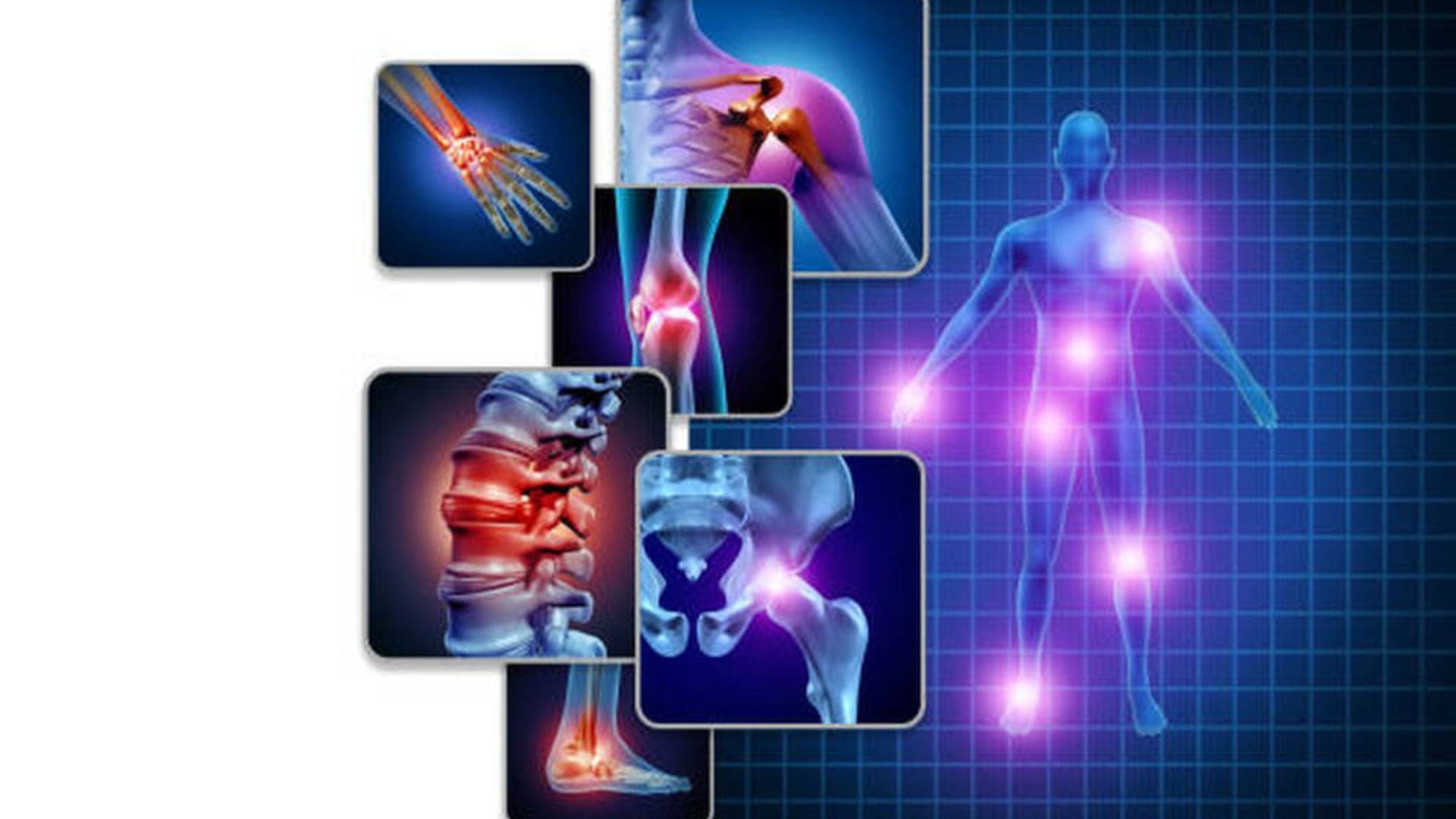
Chronic joint pain is so much that it takes over your day before you can ever notice it. You get up already preparing to take the first step, or you attempt to make a stretch, and you feel that same stubborn, dragging kind of discomfort you’ve gotten used to. For many people in Medellin, this becomes a quiet, exhausting routine. That is why interest has grown in stem cell therapy for joint pain in Medellin, not as a miracle fix, but as a science-backed option that helps the body move toward real healing rather than temporary relief.
How Stem Cells Actually Support the Joint’s Repair Process
People envision a dramatic event occurring within the joint when they hear the term “stem cell therapy.” The actual situation is nearly the opposite. It’s not as loud. More organic. These cells are placed exactly where the joint needs support, and then they begin responding to signals of damage or irritation. They move toward the spots that are irritated or worn down, and slowly the whole joint starts acting like it’s trying to fix itself again.
A lot of patients tell clinics like Stem Cell Medellin that it feels strange in the beginning, not painful, just different, almost like the joint isn’t fighting itself as much. This gradual shift is where “cartilage repair” becomes possible. Your body basically remembers how it’s supposed to heal, something it hadn’t been doing well for a long time.
Healing isn’t instant, and it shouldn’t be. It’s a slow build, the same way pain usually crept in slowly without you noticing when it first started.
Why Regenerative Joint Pain Treatment Appeals to So Many Patients
One reason people look into regenerative joint pain treatment is simple: they’re tired of managing pain instead of treating the root of it. Tablets help until they don’t. Injections help until the effect fades. Physical therapy helps, but only if the damage isn’t too advanced.
Stem cells enter the picture from a different angle. They help reduce irritation, that deep, warm swelling that makes simple movements feel heavier than they should. That’s really when lowering the inflammation makes the biggest difference. Once inflammation eases, everything from bending to climbing stairs begins to feel a little more forgiving.
Most people actually notice they move a bit easier before they notice anything else improving. It’s subtle at first, maybe getting into a car without shifting awkwardly, or turning during sleep without waking up. Those tiny changes add up, and suddenly moving around doesn’t feel like such a struggle.
The Growing Interest in Joint Pain Regeneration Colombia
People exploring joint pain regeneration Colombia aren’t always dealing with severe degeneration. Many suffer from aged joints that have lost their cushioning, past sports injuries, long-term wear and strain, or recurrent work stress. The notion that the body is encouraged to regenerate is what draws people to regenerative therapy.
It’s a bit like taking care of something you’ve ignored for too long – you don’t replace everything, you just give it what it needs to recover. You don’t replace the soil completely; you enrich it and let growth happen again. Inside a joint, “tissue regeneration” is exactly that process. It’s the body responding to signals and creating a healthier structure where weakness used to be.
This is especially relevant in a city like Medellin, where mobility really matters. The inclines, the stairs, the active lifestyle, and joints have to pull their weight. When they don’t, everything else feels harder than it should.
Why Many People Prefer Non-Surgical Joint Therapy
A surprising number of patients seek non-surgical joint therapy after they’ve already been told surgery is an option. Surgery can be life-changing when necessary, but it also comes with long recovery periods and the emotional stress of going under the knife. Many people want to avoid that if there’s a responsible alternative.
Stem cell therapy avoids cutting or removing tissue. Instead, it works with what’s already there. This gentle approach is part of why patients describe the improvement as “natural” or “gradual,” not forced. They also cherish the idea of pain relief without surgery since it fits their lifestyle, and people like that they can get relief without putting their whole life on pause.
The joint still requires rest after treatment, adherence to instructions, and not to overload it, but in comparison with the surgical downtime, the transition to normal life seems much easier.
What the Experience Feels Like for Most Patients
Different clinics work differently, but places like Stem Cell Medellin usually start with imaging, an evaluation, and a realistic conversation about what you can expect. That clarity alone helps many patients finally feel in control again.
Right after the treatment, the joint can feel a bit odd — not painful, just unfamiliar. The majority of people gradually resume their regular activities over days rather than weeks. Those who stay consistent with movement recommendations tend to see better progress, which isn’t surprising; the joint needs gentle use to respond well.
There is something almost reassuring about knowing your body is repairing itself without being pushed into an artificial pattern. If you pay attention, you start noticing small wins first: sitting longer with less stiffness, walking a bit farther, moving without anticipating pain.
Conclusion: A Gentler Path Toward Long-Term Joint Comfort
If chronic discomfort has been dictating your pace, stem cell therapy for joint pain in Medellin offers a path that feels more supportive than aggressive. It basically gives your body a push to fix the things that everyday wear and tear has been breaking down. Stem Cell Medellin continues to guide patients through this regenerative approach with care, clarity, and a strong focus on real, functional results. When you’re ready to step toward better mobility, this therapy may be worth exploring.
Schedule your consultation today. Take the first step toward steadier, more comfortable movement.
Frequently Asked Questions
1. What is Stem Cell Therapy Joint Pain Medellin?
It’s a non-surgical treatment that uses your own stem cells to calm inflammation and help your joint heal the way it’s supposed to.
2. How quickly will I feel a difference?
Most people don’t feel major changes right away. A few weeks in, small improvements show up, and the bigger changes usually come over the next couple of months.
3. Is the treatment safe?
Yes. It follows strict medical standards and uses your own cells, which keeps risks very low.
4. Who is a good candidate?
Anyone with ongoing joint pain or early arthritis who wants a non-surgical option usually benefits.
5. How long do patients stay in Medellin?
Around a week is enough for the evaluation, the procedure, and early recovery.
6. What will it cost?
Before anything starts, you receive a clear quote that is based on your condition and cell requirements.
7. What should I expect after the therapy?
Your mobility and comfort will gradually improve with initial mild exercise and frequent follow-ups.