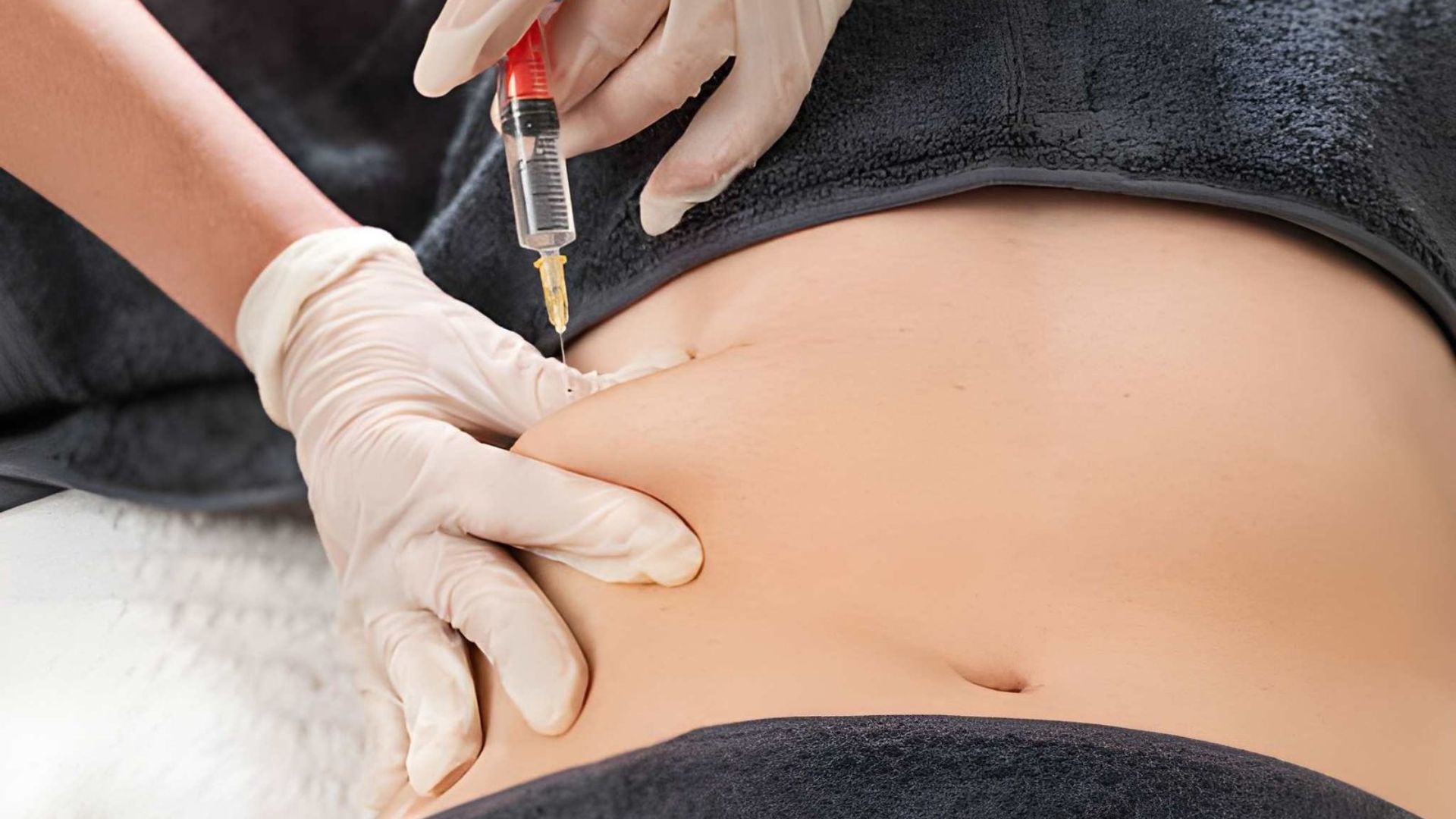
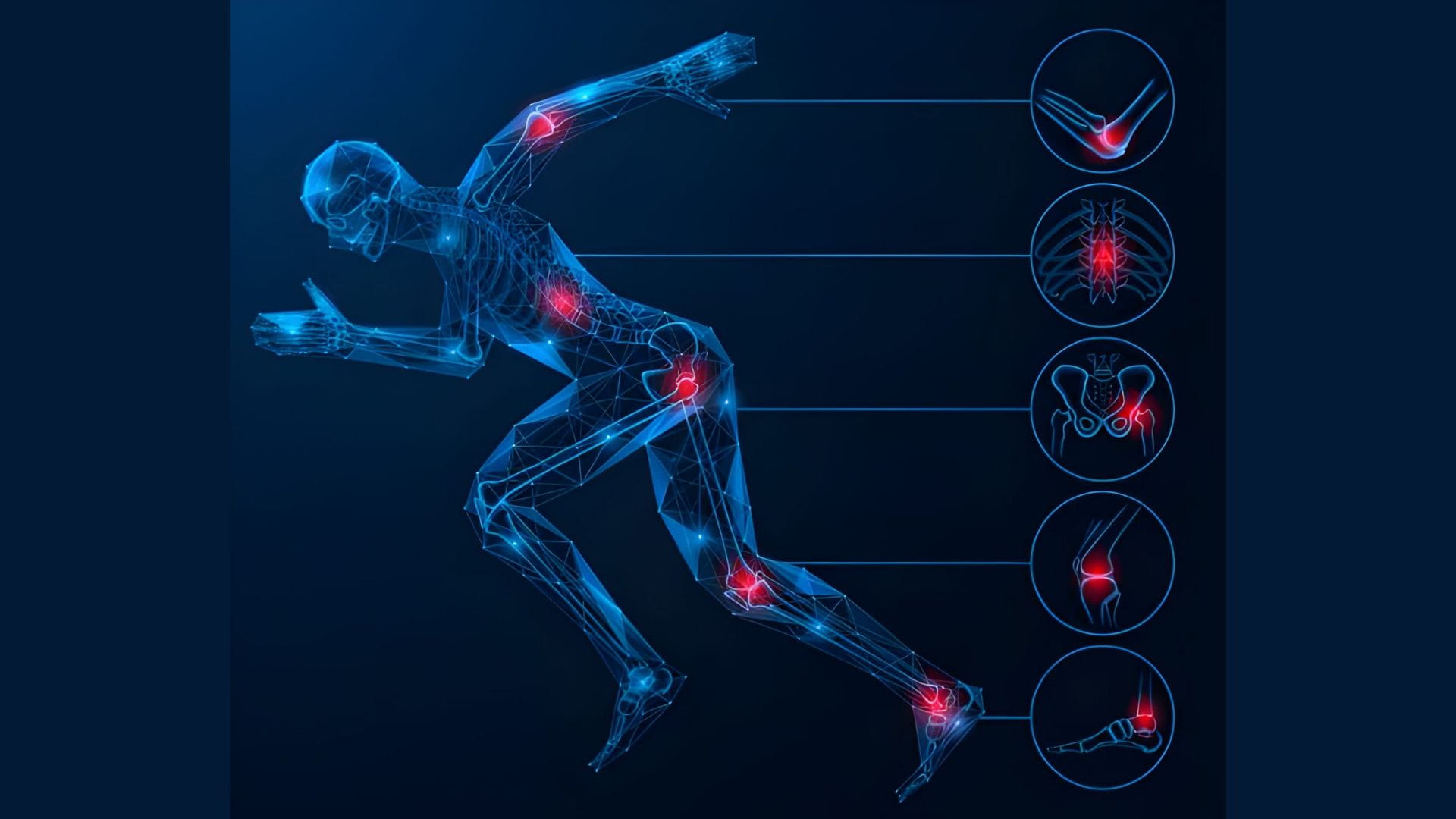
Pain in the joints can be slow to develop and would be felt during normal activities. Even such basic exercises as walking, standing, or lifting can become uncomfortable. Many people initially manage these changes quietly. When discomfort persists, they often seek medical information beyond routine pain management. In this context, joint pain therapy in Medellin is commonly explored as part of regenerative medicine care.
Medellin has been known to offer organized medical care that puts an emphasis on assessment and patient education. Clinics are more concerned with thorough evaluation but not fast decision-making. This approach helps patients understand available options clearly. Joint pain therapy in Medellin fits within this clinical environment, where regenerative care is discussed responsibly.
Understanding Joint Pain in a Medical Context
The painful sensations of the joints may be the result of a combination of various factors. These factors may comprise joint wear, inflammation, or tissue resilience. Such alterations can be related to comfort and movement. Joint pain therapy in Medellin addresses these concerns through structured clinical evaluation.
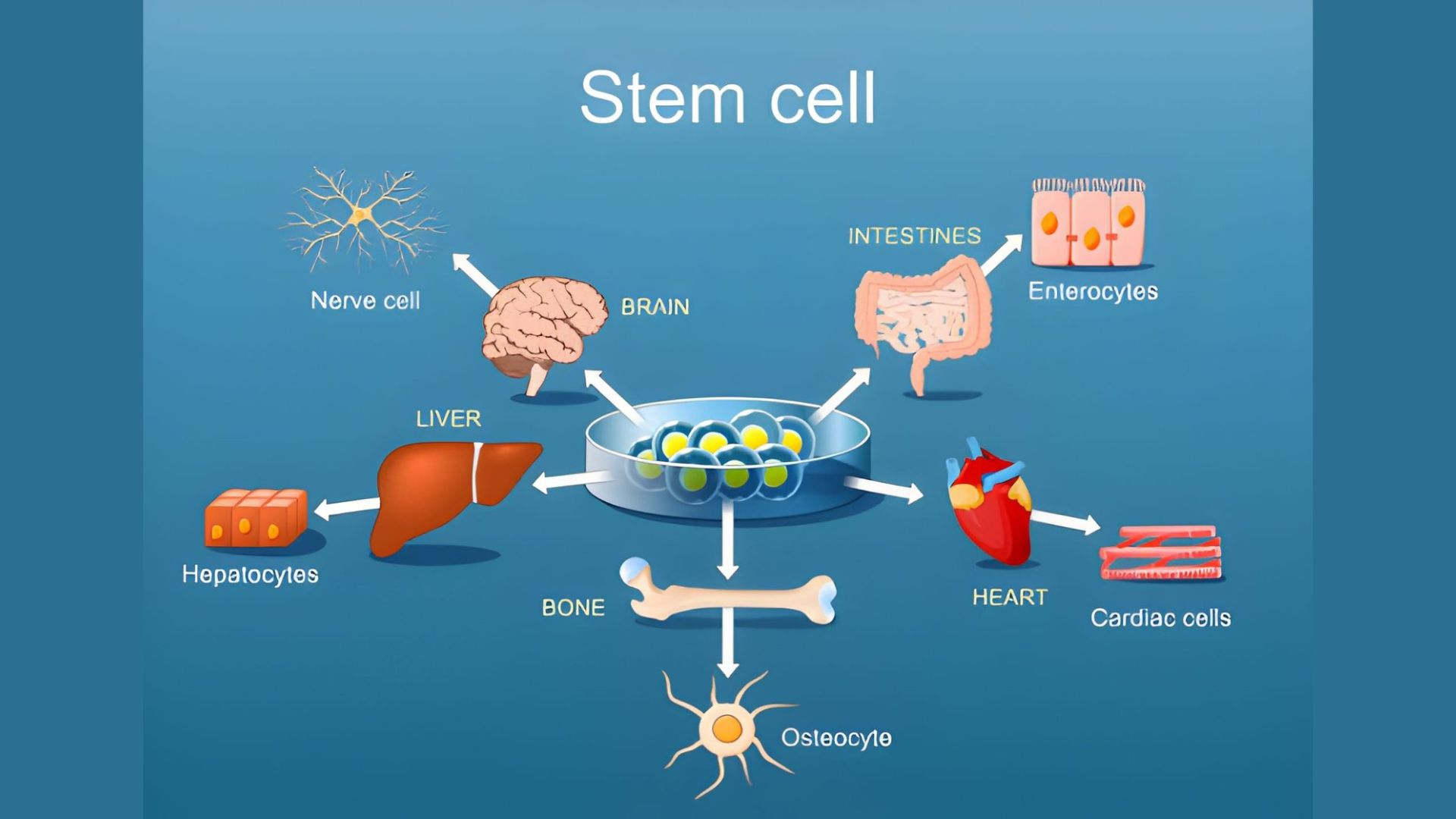
Regenerative medicine studies how cellular environments interact with joint tissues. The focus remains on understanding biological behavior rather than forcing outcomes. Medical discussions may reference stem cell joint treatment as an area of ongoing research. This terminology reflects scientific investigation, not guaranteed repair.
Clear explanations help patients understand their condition realistically. Professional care emphasizes education and defined medical boundaries.
Joint Pain Therapy Medellin as a Non-Surgical Care Option
Surgical intervention is not appropriate for every joint condition. Some patients seek alternatives due to medical history or recovery concerns. Joint pain therapy in Medellin is often reviewed as part of non-surgical treatment planning.
Regenerative approaches focus on biological support rather than mechanical alteration. They do not replace surgery when surgery is clinically required. Instead, they are explored only after thorough evaluation.
Patients value having time to understand their options. Non-surgical discussions emphasize learning before decision-making. This approach supports informed medical choices.
Medical Evaluation and Personalized Care Planning
Every regenerative care discussion begins with evaluation. Medical history, imaging, and physical assessment guide the process. Joint pain therapy in Medellin depends on this structured diagnostic approach.
Evaluation helps determine whether regenerative care aligns with a patient’s joint condition. It also identifies limitations and safety considerations. No outcomes or timelines are suggested during this stage.
This careful process supports responsible care planning. Patients receive clear information about suitability and scope. Transparency builds trust.
Regenerative Medicine and Inflammation Awareness
Inflammation often plays a role in joint discomfort and stiffness. It may affect mobility and daily comfort. Joint pain therapy in Medellin is frequently discussed in relation to inflammation reduction within regenerative care.
Regenerative medicine is the science of the interaction of cellular environments with inflammatory mechanisms. These arguments are skeptical and factual. There is nothing stated about healing or lasting change.
Clinical conversations focus on awareness rather than promises. Patients learn how inflammation relates to joint function. This understanding supports realistic expectations.
Supporting Mobility Through Joint Pain Therapy
Joint discomfort may affect balance, flexibility, and confidence in movement. Reduced mobility often influences daily routines. Joint pain therapy is discussed in relation to maintaining movement and joint awareness.
Regenerative approaches examine how joints respond to physical stress over time. These discussions focus on mobility support as a concept, not a guaranteed result. Education helps patients understand the role of movement in joint health.
Care planning emphasizes a realistic understanding of physical limitations. This perspective supports patient confidence and trust.
Laboratory Standards in Regenerative Joint Care
Laboratory practice is central to regenerative medicine. Cellular materials must be handled under controlled and ethical conditions. Joint pain therapy in Medellin follows established laboratory standards.
These protocols govern cell sourcing, processing, and preparation. Quality control and traceability remain priorities. Such measures support safety and consistency.
Scientific terms related to cellular interaction may be referenced during explanations. These terms describe research processes rather than assured outcomes. Clear communication remains essential.
Patient Education and Communication
Effective communication is an important factor in regenerative care. Patients should have proper information to learn about medical options. Medellin Joint pain therapy focuses on educating during consultations.
The talks revolve around listening and explanation. Professional approach to answer patient questions. The information is also presented without being exaggerated or pressed.
Education supports informed participation. Patients gain clarity about options and limitations. This strengthens trust in the care process.
Joint Pain Therapy Medellin and International Patients
Medellin attracts patients seeking regenerative medicine information. Some arrive for second opinions or structured care. Joint pain therapy is delivered within organized clinical systems.
Clinics coordinate evaluation and follow-up communication for visiting patients. Medical standards remain consistent for all individuals. Safety and ethical care guide every interaction.
Travel considerations do not change clinical responsibility. Evaluation and compliance remain central to care delivery.
Ethical Standards in Regenerative Joint Care
Ethical responsibility underpins regenerative medicine. Cell sourcing and application follow defined medical guidelines. Joint pain therapy in Medellin reflects this commitment to ethical practice.
Clinics avoid exaggerated language or unsupported claims. Medical limitations are discussed openly. Education always precedes treatment consideration.
Ethical care protects patients and providers. Transparency supports long-term credibility and trust.
Patient-Centered Approach to Joint Pain Therapy
Patients present with diverse experiences and concerns. Responsible care acknowledges these differences. Joint pain therapy Medellin is approached with professionalism and respect.
Care teams prioritize assessment rather than persuasion. Decisions are not rushed. Patients are encouraged to review information carefully.
This approach supports informed decision-making. Accuracy and clarity are valued over urgency. Patient autonomy remains central.
Quick Summary About Joint Pain Therapy
Joint discomfort can affect daily comfort and independence. Many patients seek non-surgical options supported by medical evaluation. Joint pain therapy Medellin represents an educational pathway within regenerative medicine.
This approach emphasizes assessment, laboratory standards, and professional communication. It does not promise outcomes or permanent change. Stem Cell Medellin applies regenerative principles with responsibility and clinical structure.
Understanding joint pain therapy in Medellin supports informed medical discussions and careful consideration of regenerative care options.
Contact us for more information and booking.
Frequently Asked Questions
1. What is joint pain therapy?
It refers to medical approaches focused on evaluating and supporting joint function.
2. Does regenerative therapy cure joint pain?
No. It does not offer cures or guarantees.
3. Is joint pain therapy a surgical procedure?
No. It is discussed as a non-surgical care option.
4. Who may consider joint pain therapy in Medellin?
Eligibility for depends on medical evaluation and clinical assessment.
5. Are mobility improvements guaranteed?
No. Outcomes and timelines are not promised.
6. Is regenerative joint care supported by research?
Yes. It remains an active area of scientific study.
7. Can international patients receive joint care in Medellin?
Yes we offer joint pain therapy in Medellin and coordinate evaluation and follow-up for visiting patients.