When people hear about regenerative medicine, they may imagine stem cells simply replacing damaged cells. The science is considerably more complex. So, what does stem cell therapy do once cells are introduced into a biological environment?
Researchers are studying several possible mechanisms, including cellular signaling, modulation of inflammatory responses, and interactions with surrounding tissues. The intended biological effect also varies according to the type of cells, method of delivery, and condition being investigated. Stem cell therapy therefore does not have one universal action or predictable outcome.
What Does Stem Cell Therapy Do at the Cellular Level?
To answer what does stem cell therapy do, it is important to distinguish direct cell replacement from biological signaling.
Certain stem cells can differentiate into specialized cell types under appropriate conditions. However, research into mesenchymal stem or stromal cells suggests that their potential effects may not depend primarily on becoming permanent replacement tissue.
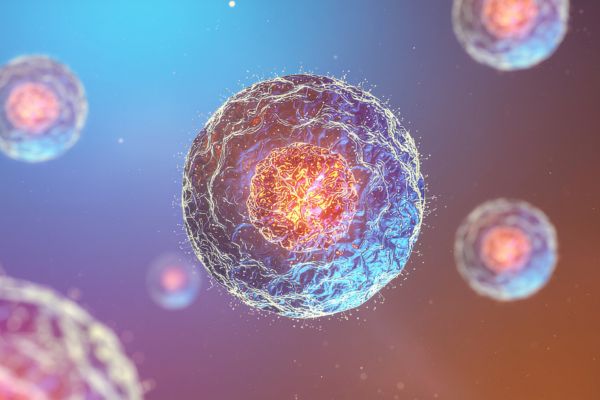
A major area of investigation involves paracrine signaling. Cells release biological substances that communicate with nearby cells and can influence the surrounding tissue environment.
Research has identified secreted factors associated with immune modulation, angiogenesis, and other biological processes. These findings have changed how scientists investigate the potential role of mesenchymal stromal cells in regenerative medicine.
How Does Stem Cell Therapy Interact With the Tissue Environment?
Another part of what does stem cell therapy do involves the relationship between administered cells and their local environment.
Cells do not function independently. Their behavior can be influenced by signals from surrounding tissue, including inflammatory conditions and other characteristics of the microenvironment.
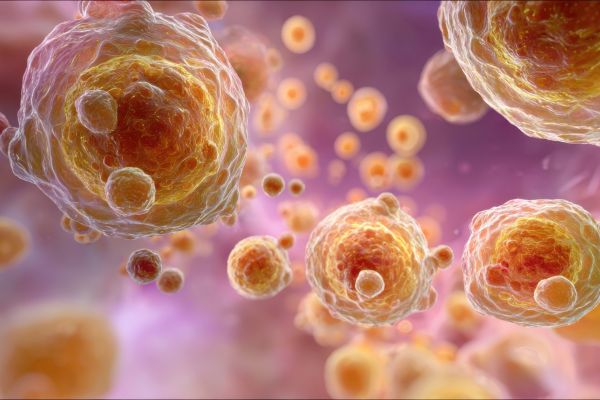
Mesenchymal stromal cells can release cytokines, growth factors, extracellular vesicles, and other signaling molecules. Collectively, these secreted substances are often discussed as part of the cellular “secretome.”
The composition and activity of these signals can change according to environmental conditions. This helps explain why biological responses observed in laboratory research cannot automatically predict the same result in every patient or tissue.
Someone researching regenerative treatment in Medellín should therefore ask about the biological rationale for the specific cellular treatment being proposed.
What Role Does Inflammation Play?
Research into what does stem cell therapy do also examines how cellular therapies interact with inflammatory processes.
Inflammation is part of the body’s normal response to injury, but persistent or dysregulated inflammation can contribute to certain diseases and tissue problems. Mesenchymal stromal cells are being investigated for their potential immunomodulatory activity.
Their secreted factors may influence communication among immune cells and other cells within a tissue environment. However, “modulating inflammation” should not be interpreted as eliminating inflammation or curing an inflammatory condition.
The biological response depends on multiple variables, including the cellular product and disease context. Mechanisms demonstrated experimentally also require clinical evidence before they can support specific treatment claims.
Does Stem Cell Therapy Actually Regenerate Tissue?
When asking what does stem cell therapy do, the word “regenerative” can create unrealistic expectations.
Regenerative medicine broadly investigates ways to restore, replace, or support damaged cells and tissues. This does not mean every stem cell procedure has been proven to regrow damaged structures.
Earlier concepts often emphasized stem cells differentiating and replacing lost cells. Current research has shown that, particularly with mesenchymal stromal cells, paracrine activity and interactions with existing cells may contribute substantially to observed biological effects.
At Stem Cell Medellín, discussions about a regenerative procedure should therefore distinguish its proposed mechanism from the clinical outcome a patient might realistically expect.
Terms such as “tissue support” or “biological response” should not be converted into promises of complete tissue regeneration.
Why Can Stem Cell Treatments Have Different Effects?
There is no single answer to what does stem cell therapy do across every treatment because cellular therapies are not identical products.
Potential effects can vary according to:
- Type and source of cells
- Cell preparation and processing
- Dose and delivery method
- Tissue being targeted
- Underlying medical condition
- Local biological environment
- Patient-specific health factors
These variables are also important when interpreting research. Results from one cell type or medical condition cannot automatically establish effectiveness for another.
This is why evidence should be evaluated at the level of the specific cellular product and intended application rather than treating “stem cell treatment” as one standardized intervention.
How Does Clinical Evaluation Connect Biology With Treatment?
Understanding what does stem cell therapy do biologically is only one part of deciding whether treatment makes medical sense.
A proposed mechanism must be relevant to the patient’s actual condition. Medical history, diagnosis, previous care, imaging or laboratory findings when appropriate, general health, and treatment goals can all affect that judgment.
Stem Cell Medellín uses physician-led assessment to place regenerative treatment within an individual clinical context. Treatment decisions should follow medical evaluation rather than begin with a predetermined procedure.
This distinction also helps patients separate scientific plausibility from demonstrated clinical benefit. A mechanism can be biologically interesting without yet having sufficient evidence to establish effectiveness for a particular disease.
What Are the Limits of Current Regenerative Medicine?
A complete answer to what does stem cell therapy do must include what current evidence cannot establish.
Stem cell products differ widely, and many proposed applications remain investigational. The FDA states that, in the United States, the approved stem cell products are certain cord-blood-derived blood-forming stem cell products used for disorders affecting blood production. Many regenerative applications marketed for orthopedic, neurological, and other conditions are not FDA-approved.
Safety also depends on the specific product and its use. The FDA continues to warn about serious risks associated with unapproved human cell and tissue products.
Patients should therefore be cautious about claims that stem cells automatically locate damage, rebuild tissue, eliminate inflammation, or cure disease.
Putting Stem Cell Therapy Into Perspective
The best answer to what does stem cell therapy do depends on which cells, biological mechanism, and medical application are being discussed.
Modern regenerative research increasingly examines stem cells as biologically active participants that may communicate with surrounding cells through paracrine signals and influence the tissue environment. That concept is more accurate than assuming every treatment works through direct replacement of damaged tissue.
Clinical relevance still depends on evidence. Understanding the proposed mechanism can help patients ask better questions, but treatment decisions should also consider safety, limitations, alternatives, and evidence for the specific condition.
FAQs
What does stem cell therapy do inside the body?
What does stem cell therapy do biologically depends on the cellular product and application. Research investigates mechanisms including paracrine signaling, immune modulation, cellular communication, and interactions with the surrounding tissue environment.
Do stem cells automatically become new tissue?
No. Although certain stem cells can differentiate into specialized cells, research suggests some therapeutic effects of mesenchymal stromal cells may involve signaling and secreted factors rather than direct, permanent replacement of damaged tissue.
What is paracrine signaling?
Paracrine signaling occurs when cells release biological molecules that influence nearby cells. Researchers study growth factors, cytokines, extracellular vesicles, and other signals as possible contributors to the biological activity of mesenchymal stromal cells.
Does regenerative medicine guarantee tissue repair?
No. A regenerative mechanism does not guarantee structural repair or clinical improvement. Outcomes depend on the cellular product, medical condition, evidence, treatment protocol, and individual biological factors.
How does Stem Cell Medellín determine whether treatment is appropriate?
Stem Cell Medellín considers the patient’s diagnosis, medical history, relevant clinical findings, previous treatment, and goals before determining whether a regenerative approach may warrant consideration. Treatment suitability varies between individuals.