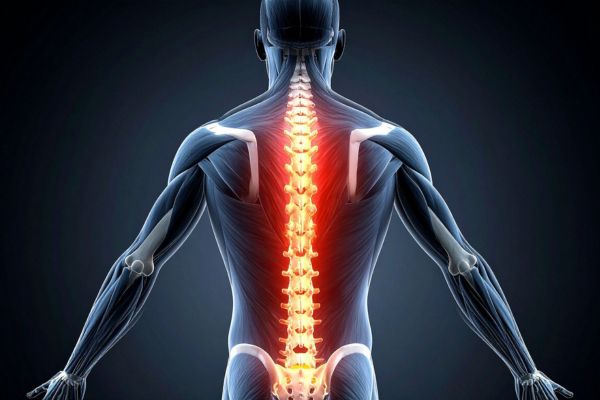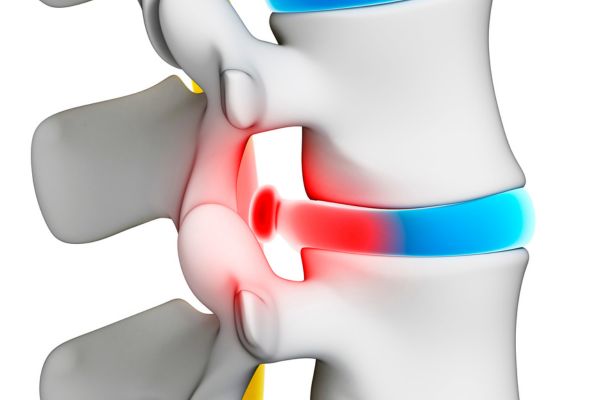
Pain is a symptom, not a single diagnosis. Persistent discomfort can originate from cartilage, tendons, muscles, discs, joints, or other musculoskeletal structures. Inflammation, degeneration, mechanical stress, and previous injuries may also contribute in different ways.
This complexity is important when considering stem cell therapy for pain. Regenerative approaches are being investigated across several musculoskeletal conditions, but they are not universal pain treatments. Their potential role depends on what is causing symptoms, which tissue is affected, the available evidence, and whether a biological treatment matches the underlying problem.
Stem Cell Therapy for Pain: What Is the Treatment Trying to Address?
The rationale behind stem cell therapy for pain is different from simply blocking pain signals. Research involving mesenchymal stem or stromal cells investigates how cellular therapies may interact with damaged or degenerative tissue.
Potential mechanisms under study include paracrine signaling, immune modulation, and effects on the local tissue environment. These biological processes may influence factors associated with inflammation or tissue response.
However, a plausible biological mechanism does not prove that a treatment will relieve pain. Pain can arise from many pathways, and reducing one biological contributor may not address other mechanical or neurological causes.
Research into musculoskeletal regenerative medicine therefore evaluates clinical outcomes alongside biological mechanisms.
Which Types of Musculoskeletal Pain Are Being Studied?
Research into stem cell therapy for pain spans several areas rather than one body part. This is why the topic should be considered broadly.
Cell-based approaches have been investigated in orthopedic research involving degenerative joints, intervertebral discs, tendons, cartilage, bone, and other musculoskeletal tissues. Human evidence is more developed for some applications than others.
The diagnosis matters more than the location of discomfort. Two people may both describe chronic joint discomfort while having very different structural and biological problems.
Someone researching regenerative treatment in Medellín should therefore ask which tissue or disease process a proposed therapy is intended to target, rather than assuming that regenerative care treats pain itself.
Why Identifying the Source of Pain Matters
Before stem cell therapy for pain is considered, clinicians need to determine what may be generating the symptoms.
Musculoskeletal pain can have degenerative, inflammatory, mechanical, traumatic, or neurological components. More than one factor can exist at the same time.
Assessment may involve the pattern and duration of symptoms, previous injuries, mobility, physical examination, and response to earlier treatments. Diagnostic imaging may be useful when structural abnormalities are suspected.
At Stem Cell Medellín, this distinction is important because the presence of chronic pain alone does not establish candidacy for a cellular treatment.
A regenerative approach has a stronger clinical rationale when the proposed biological target corresponds with the diagnosed problem.
What Does the Evidence Actually Tell Us?
Evidence for stem cell therapy for pain cannot be summarized with one success rate. Research findings vary according to the condition, cellular preparation, delivery method, comparator, and outcome being measured.
A 2026 review of regenerative medicine for musculoskeletal conditions notes continued clinical interest but also important challenges involving standardization and evidence. A recent scoping review of 500 preclinical and clinical studies similarly found substantial variation in cell types, delivery approaches, and targeted tissues.
Evidence from one condition should not be generalized to another. For example, research involving knee osteoarthritis cannot establish effectiveness for tendon injury or spinal pain.
This is why claims that stem cells broadly “treat chronic pain” oversimplify the science.
Who Might Be Considered for Regenerative Care?
Candidacy for stem cell therapy for pain is based on the underlying clinical problem rather than a pain score alone.
Factors that may influence treatment decisions include:
- Confirmed or suspected source of symptoms
- Tissue involved and severity of damage
- Duration and pattern of discomfort
- Functional or mobility limitations
- Relevant imaging findings
- Previous treatments and response
- General medical health
- Individual treatment objectives
Some conditions may have a stronger evidence base for regenerative approaches than others. Certain structural problems may also require treatment that directly addresses mechanics rather than attempting to influence the tissue environment biologically.
Patient selection therefore includes identifying when regenerative medicine is unlikely to address the principal source of symptoms.
How Should Pain Relief and Tissue Regeneration Be Distinguished?
One important issue with stem cell therapy for pain is the difference between symptom improvement and structural regeneration.
Reduced discomfort does not necessarily mean damaged cartilage, tendon, muscle, or another tissue has been restored. Similarly, a biological or imaging change does not guarantee meaningful improvement in mobility or daily function.
Research may measure pain scores, physical function, quality of life, imaging findings, or return to activity. These outcomes answer different clinical questions.
Patients should therefore be cautious about claims that combine “pain relief,” “healing,” and “regeneration” as though they describe the same result.
Realistic goals should be defined according to the diagnosed condition and evidence available for that specific application.
Where Does Regenerative Medicine Fit Among Other Pain Treatments?
Considering stem cell therapy for pain does not mean established musculoskeletal care should be abandoned.
Depending on the diagnosis, management may involve rehabilitation, exercise therapy, medications, activity modification, conventional injections, or surgical treatment. Different interventions address different contributors to pain.
Stem Cell Medellín identifies Dr. Catalina Henao as a physician with training in regenerative medicine. Clinical oversight is relevant when comparing the proposed biological rationale of regenerative care with other reasonable options.
Regenerative medicine should complement evidence-based decision-making rather than delay necessary conventional treatment.
Making a Pain-Focused Treatment Decision
The central question surrounding stem cell therapy for pain is not simply whether stem cells can influence pain. Patients need to know why they hurt and whether the proposed cellular treatment has credible evidence for that particular cause.
This requires separating broad marketing claims from condition-specific research.
A useful discussion should identify the suspected pain generator, proposed biological target, evidence, uncertainties, risks, alternatives, and meaningful treatment goals.
Regenerative medicine continues to develop across musculoskeletal care, but its role varies considerably between conditions. Matching the treatment to the underlying diagnosis remains more informative than choosing therapy based only on the location or intensity of pain.
FAQs
Does stem cell therapy for pain work for every type of chronic pain?
No. Stem cell therapy for pain is not a universal treatment for chronic discomfort. Its potential relevance depends on the underlying diagnosis, affected tissue, available clinical evidence, and whether regenerative mechanisms reasonably match the source of symptoms.
Can regenerative medicine eliminate inflammation?
Regenerative research investigates cellular interactions with inflammatory processes, but treatment should not be described as reliably eliminating inflammation. Biological responses differ according to the condition, cellular product, tissue environment, and individual patient.
Does reduced pain mean damaged tissue has regenerated?
Not necessarily. Pain improvement is a clinical outcome, while tissue regeneration is a structural or biological outcome. One should not automatically be used as evidence that the other has occurred.
How does Stem Cell Medellín evaluate pain-related candidacy?
Stem Cell Medellín can consider the suspected source of symptoms, diagnosis, clinical findings, imaging when relevant, previous treatments, medical history, functional limitations, and individual goals when assessing regenerative options.
When might regenerative care not be appropriate?
Regenerative care may not fit when the pain source is unclear, evidence for the diagnosed condition is insufficient, or a significant mechanical or neurological problem requires another treatment approach.