Treatment decisions require more than choosing an injection date. Stem cell therapy treatment planning begins with a clear diagnosis, health review, and defined clinical purpose. Clinicians examine the affected area, previous care, symptoms, and relevant medical risks. They then decide whether a cell-based intervention deserves consideration.
There is no universal dose suitable for every patient or condition. A responsible plan reflects the product, delivery method, target tissue, and available evidence.
Why Treatment Planning Must Be Individualized
Two people with similar pain may have different underlying problems. Their imaging, physical findings, activity levels, and health histories can differ. For this reason, stem cell therapy treatment planning should never rely on symptoms alone. The clinician must identify the likely source of impairment.
A focused joint evaluation may assess movement, stability, tenderness, swelling, alignment, and functional limitations. These findings help clarify the treatment target. Medical history also affects planning. Active infection, uncontrolled illness, medication use, or bleeding concerns may change suitability or timing.
Previous treatment responses provide additional context. Limited improvement after rehabilitation does not automatically establish eligibility for regenerative care.
Stem Cell Therapy Treatment Planning and Dosage Decisions
The term dosage can describe several different elements. It may refer to cell quantity, product volume, concentration, or treated locations. These measurements are not interchangeable. A larger volume does not necessarily contain more viable cells or produce a stronger clinical response.
Careful dosage consideration includes the proposed cell source and processing method. Product characteristics may vary between preparation systems and clinical protocols. The treatment site also matters. A small joint, large joint, tendon, or other structure may require different delivery considerations.
Clinicians should explain why a proposed amount was selected. They should also acknowledge when research does not establish one optimal dose. During stem cell therapy treatment planning, more is not automatically better. Excessive claims about cell numbers can distract patients from evidence and safety.
Connecting Diagnosis With Injection Planning
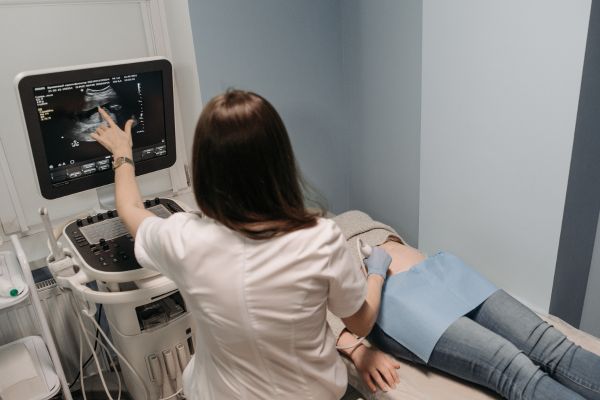
Accurate placement may influence whether the product reaches the intended structure. Therefore, injection planning starts with defining the anatomical target. Clinical examination and imaging may support that decision. However, imaging changes must be compared with symptoms and functional findings.
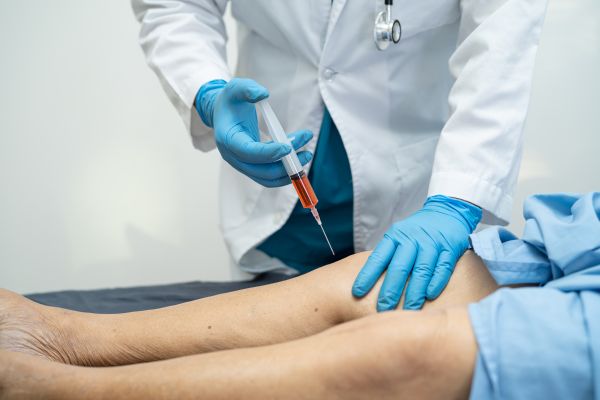
Ultrasound or fluoroscopic guidance may be considered for certain procedures. The appropriate method depends on anatomy, access, and the clinician’s judgment. The route should match the stated treatment purpose. An injection near the wrong structure cannot correct weak diagnostic reasoning.
The stem cell therapy treatment planning discussion should address positioning, skin preparation, guidance, and expected procedure length. Patients should understand each stage beforehand. Multiple treatment sites require additional judgment. Clinicians must consider whether each location has a supported indication and meaningful clinical relevance.
Building a Structured Clinical Protocol
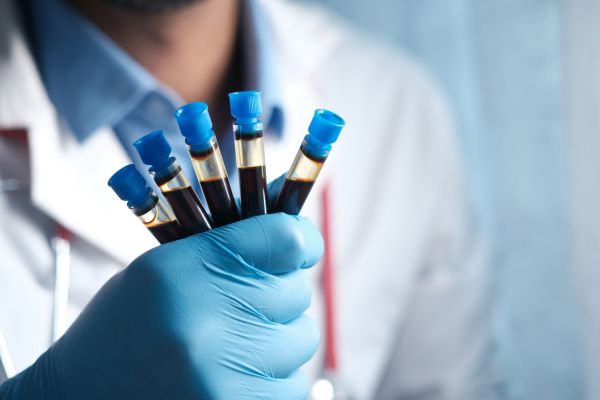
A regenerative care protocol connects preparation, administration, monitoring, and follow-up. It should identify responsibilities across the entire care pathway. Before treatment, staff may confirm medications, allergies, recent illness, and procedure instructions. Missing information can create preventable complications or delays.
The product should be handled according to documented procedures. Sterility, traceability, storage, preparation, and administration details require consistent oversight. At Stem Cell Medellín, physician assessment guides whether a proposed procedure matches the patient’s findings. Scheduling should follow evaluation, not replace it.
Good stem cell therapy treatment planning also includes an aftercare framework. Patients need practical instructions about activity, wound care, symptoms, and clinical contact. Follow-up timing should support meaningful assessment. Immediate sensations cannot reliably demonstrate tissue repair or long-term therapeutic benefit.
Setting Goals and Measuring Progress
A structured treatment design defines what improvement would matter before intervention. Goals may involve walking, sleep, movement, work, or daily independence. Baseline measurements help clinicians compare later changes. Pain scores alone may miss important differences in strength, endurance, or functional capacity.
Recovery expectations should remain realistic. Some patients may experience temporary soreness, while improvement may be gradual, limited, or absent. The clinician should explain when reassessment will occur. Follow-up may review symptoms, function, adverse events, medication use, and rehabilitation progress.
Within stem cell therapy treatment planning, additional injections should not be automatic. Further intervention requires reassessment and a defensible medical reason. Treatment plans may change when new findings emerge. Responsible care allows revision, referral, postponement, or cancellation when circumstances require it.
Questions Patients Should Ask Before Proceeding
Patients should ask what product is proposed and why. They should request information about its source, preparation, intended use, and supporting evidence. They should also ask who performs the procedure and how placement is confirmed. Clear answers help distinguish clinical reasoning from promotional language.
Costs, follow-up, rehabilitation, and possible additional care deserve discussion. Patients should know which services are included before making financial commitments. People exploring regenerative treatment options in Medellín should discuss alternatives with a qualified physician. Conventional care may remain appropriate for many conditions. At Stem Cell Medellín, consultation can help patients understand suitability, uncertainties, and practical next steps. No plan should promise healing or guaranteed improvement.
Frequently Asked Questions
1. Is the same stem cell dose used for every patient?
No. Product characteristics, target anatomy, medical history, evidence, and procedure goals can influence the proposed amount and delivery approach.
2. Does a higher cell count guarantee better results?
No. Higher numbers do not guarantee improved outcomes. Cell viability, preparation, placement, diagnosis, and evidence also require careful consideration.
3. Why is imaging reviewed before treatment?
Imaging can help identify structural findings and guide anatomical targeting. Clinicians must compare those findings with symptoms and examination results.
4. Can several joints be treated during one appointment?
Possibly, but each joint needs separate clinical justification. Treating several areas may affect procedure time, recovery guidance, cost, and risk.
5. Who decides the treatment protocol?
A qualified physician should direct the clinical decision. At Stem Cell Medellín, assessment informs suitability, procedure planning, and recommended follow-up.
6. Can the treatment plan change after consultation?
Yes. New test results, health changes, medication concerns, or revised findings may require postponement, referral, or a different care pathway.
7. What should patients understand before agreeing?
Patients should understand the stem cell therapy treatment planning rationale, uncertainties, alternatives, risks, aftercare, and costs. Informed consent should precede every procedure.
Explore Our Regenerative Treatments in Medellin
- Stem Cells in Colombia: 2026 Guide for International Patients
- Stem Cell Therapy Prices by Dose
- Knee Pain Stem Cell Therapy
- Joint Pain Stem Cell Therapy
- Back Pain Stem Cell Therapy
- Shoulder & Rotator Cuff Stem Cell Therapy
- Hip Pain Stem Cell Therapy
- Sports Injury Stem Cell Therapy
- Longevity & Anti-Aging Therapy
- Meet Dr. Catalina Henao