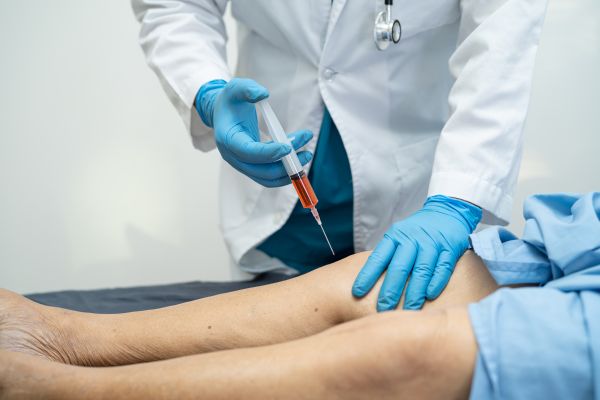
Sports injuries can affect athletes, fitness enthusiasts, and active individuals. Even routine exercise may place stress on muscles, tendons, ligaments, and joints.
Many injuries improve with rehabilitation and conservative care. Others continue to limit movement, strength, or performance. Persistent symptoms often require further medical evaluation.
Considering treatment? See our stem cell therapy for sports injuries in Medellin: who is a good candidate, what the evidence says and what to expect.
Interest in stem cell therapy for sports injuries continues to grow within regenerative medicine. However, every injury requires an accurate diagnosis before treatment is considered.
Individuals exploring regenerative sports medicine should understand how physicians assess injury severity and recovery potential. Learning about available physician-led regenerative treatment services provides useful clinical context before seeking further advice.
Understanding Common Sports Injuries
Sports injuries involve different tissues and healing patterns. Their causes also vary between activities.
Common examples include tendon injuries, ligament tears, muscle strains, meniscus damage, rotator cuff injuries, and Achilles tendinopathy. Sudden trauma or repetitive movement may contribute to these conditions.
Each injury affects movement differently. Therefore, treatment planning should always reflect the confirmed diagnosis rather than symptoms alone.
Why Accurate Diagnosis Comes First
Pain and swelling can occur in many sports injuries. These symptoms do not identify the damaged structure.
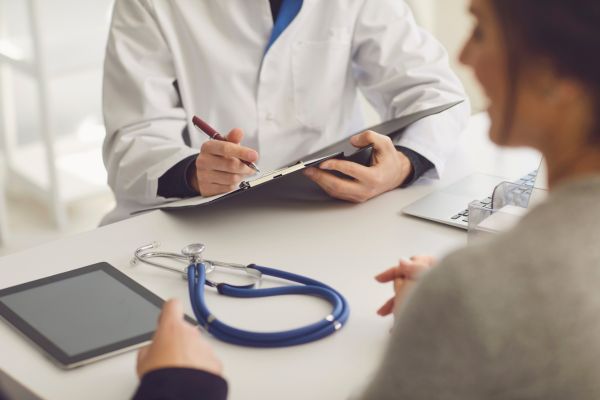
Physicians begin by reviewing the injury mechanism, medical history, and current symptoms. A physical examination helps assess strength, joint stability, flexibility, and range of motion.
MRI may evaluate tendons, ligaments, cartilage, and muscles. Ultrasound can assess selected soft tissue injuries. X-rays help identify fractures or structural abnormalities.
Clinical findings remain more important than imaging alone. Treatment decisions should reflect the complete assessment.
How Physicians Assess Treatment Suitability
Stem cell therapy for sports injuries is considered only after careful clinical evaluation. Every recommendation depends on individual findings.
Physicians assess tissue quality, healing progress, previous rehabilitation, and functional limitations. They also review overall health and previous treatments.
Some injuries respond well to conservative care. Others require additional investigation before discussing regenerative options.
This structured assessment supports safe and personalised clinical decision-making.
Conservative Care Remains the First Step
Most sports injuries begin with conservative management. Treatment depends on the diagnosis and injury severity.
Physiotherapy often improves strength, flexibility, and movement control. Activity modification may reduce stress on healing tissues.
Medication or other supportive treatments may provide temporary symptom relief. These approaches have different purposes and limitations.
Physicians evaluate the response to conservative care before considering whether stem cell therapy for sports injuries may be appropriate within an individual treatment plan.
How Rehabilitation Supports Recovery
Rehabilitation remains an essential part of sports injury management. Recovery depends on more than the injured tissue alone.
A structured programme may improve strength, flexibility, balance, and joint stability. Exercises are selected according to the diagnosis and recovery stage.
Returning to sport too early may increase the risk of reinjury. Physicians and rehabilitation professionals monitor progress before activity levels increase.
Regular follow-up also helps identify ongoing limitations. Treatment plans may change as recovery progresses.
Clinical Factors That Influence Treatment Planning
Several factors influence decisions about stem cell therapy for sports injuries. No single finding determines treatment suitability.
Physicians may consider:
- Confirmed diagnosis
- Injury severity
- Tissue involved
- Healing progress
- Functional limitations
- Previous rehabilitation
- Imaging findings
- Overall health
- Activity goals
An acute muscle strain differs from a chronic tendon injury. Likewise, a partial ligament tear requires different planning than complete ligament damage.
This personalised approach supports responsible medical decision-making.
Regenerative Medicine and Realistic Expectations
Interest in stem cell treatment in Medellin has increased among people seeking advanced musculoskeletal care. However, regenerative medicine should never be presented as a guaranteed solution.
Healing responses differ between individuals. Age, injury type, tissue quality, rehabilitation, and general health may all influence recovery.
Physicians explain both the potential benefits and the current limitations of treatment. They also discuss alternative management options when appropriate.
A balanced discussion allows individuals to make informed decisions based on clinical evidence rather than expectations alone.
Choosing Physician-Led Orthopedic Care
People researching sports injury treatment should focus on medical expertise before selecting any therapy.
High-quality orthopedic care begins with a comprehensive assessment. Physicians review symptoms, imaging, functional ability, and previous treatment outcomes.
At Stem Cell Medellín, regenerative treatment planning follows a physician-led process. Every recommendation reflects the individual’s diagnosis and clinical findings.
Those seeking additional information about treatment pathways can explore the clinic’s regenerative medicine services before arranging a consultation.
Making Informed Decisions About Stem Cell Therapy for Sports Injuries
Sports injuries vary in severity, healing potential, and long-term impact. Accurate diagnosis remains the foundation of appropriate care.
Stem cell therapy for sports injuries may be considered for selected individuals after comprehensive medical evaluation. Treatment decisions should always reflect the diagnosis, injury characteristics, and overall health.
Stem Cell Medellín follows a physician-led approach that emphasises careful assessment, realistic expectations, and personalised treatment planning. This process supports informed decisions throughout the recovery journey.
Frequently Asked Questions
Who may be considered for stem cell therapy for sports injuries?
Suitability depends on the diagnosis, injury severity, previous treatment, and overall health. Physicians determine eligibility after a comprehensive clinical evaluation.
Is MRI always required before treatment?
MRI is commonly used for soft tissue injuries. However, imaging requirements depend on the suspected condition and clinical findings.
Can regenerative medicine replace rehabilitation?
No. Rehabilitation remains an essential part of recovery. Exercise programmes help restore strength, mobility, and function after many sports injuries.
Are all tendon and ligament injuries treated the same way?
No. Tendon injuries, ligament tears, and muscle strains have different healing patterns. Each requires an individual assessment and treatment plan.
How does Stem Cell Medellín evaluate sports injuries?
Stem Cell Medellín reviews medical history, imaging, physical examination findings, rehabilitation progress, and functional goals before discussing regenerative treatment options.
Explore Our Regenerative Treatments in Medellin
- Stem Cells in Colombia: 2026 Guide for International Patients
- Stem Cell Therapy Prices by Dose
- Knee Pain Stem Cell Therapy
- Joint Pain Stem Cell Therapy
- Back Pain Stem Cell Therapy
- Shoulder & Rotator Cuff Stem Cell Therapy
- Hip Pain Stem Cell Therapy
- Sports Injury Stem Cell Therapy
- Longevity & Anti-Aging Therapy
- Meet Dr. Catalina Henao