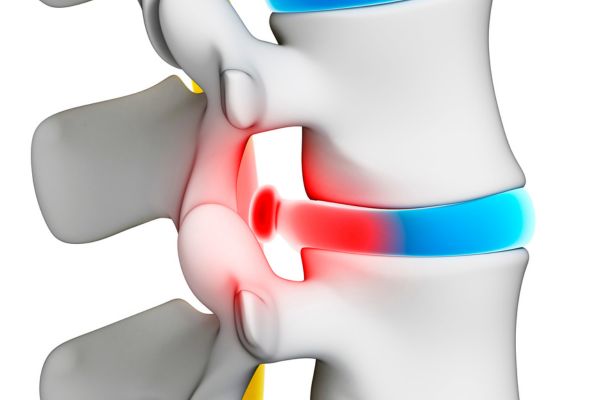
A PRP injection uses a concentrated preparation made from a patient’s own blood. PRP stands for platelet-rich plasma. Although platelets are best known for their role in clotting, they also contain proteins and signaling molecules involved in the body’s response to tissue injury.
PRP is used in several areas of musculoskeletal and sports medicine, but its effectiveness is not identical across conditions. The diagnosis, tissue involved, preparation method, and treatment goals all influence whether PRP deserves consideration. Understanding the procedure and its limitations helps patients evaluate it realistically.
How Is a PRP Injection Prepared?
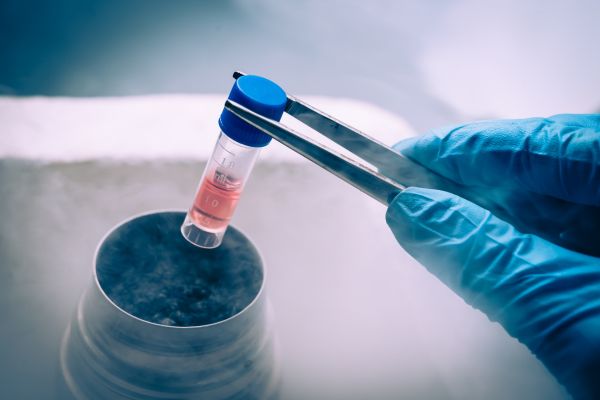
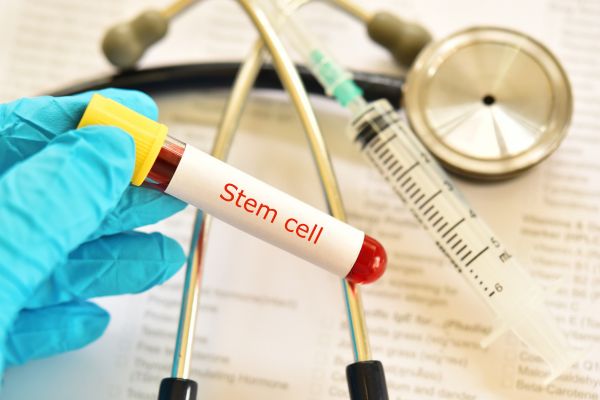
The procedure begins with a blood draw, usually from a vein in the arm. The collected blood is then processed in a centrifuge, which separates its components according to their physical properties. The goal is to produce plasma containing a higher concentration of platelets than the original blood sample. The prepared platelet-rich plasma is then collected for administration into the targeted area.
PRP preparations are not all identical. Platelet concentration, white blood cell content, processing systems, and other characteristics can differ between protocols. These differences matter because they may influence biological activity and make results from different clinical studies harder to compare.
The FDA classifies PRP as a blood product rather than a human cell, tissue, or cellular or tissue-based product.
What Does PRP Do After Injection?
The biological rationale behind a PRP injection centers on platelets and the molecules they release after activation.
Platelets contain granules carrying growth factors and other signaling proteins. Once activated, they release molecules that participate in processes involved in tissue response and repair. Researchers study how these signals may interact with inflammation, blood vessel formation, and local cellular activity.
This does not mean PRP directly rebuilds damaged tissue. Terms such as “growth factors” or “tissue healing” describe biological processes, not guaranteed clinical outcomes.
Patients researching regenerative treatment in Medellín should therefore ask what a proposed PRP procedure is intended to accomplish for their specific diagnosis.
What Conditions Are PRP Injections Used For?
A PRP injection has been investigated across several musculoskeletal conditions. Research includes certain tendon disorders, knee osteoarthritis, muscle injuries, and applications associated with sports medicine.
Evidence differs considerably between these uses. For example, recent research continues to evaluate PRP for knee osteoarthritis, while studies of acute muscle injuries show variable results depending on the injury and outcome measured. A 2026 meta-analysis of randomized trials found PRP may shorten return-to-play time after acute hamstring injury, although evidence certainty ranged from low to moderate.
This variability is clinically important. Findings for one diagnosis should not be assumed to apply equally to another, because different conditions involve distinct tissues, biological processes, and treatment goals.
Who May Be Considered for a PRP Injection?
Whether PRP treatment is reasonable depends first on an accurate diagnosis. A patient should not be selected simply because joint, tendon, or muscle discomfort has persisted.
Assessment may consider the affected tissue, duration and severity of symptoms, previous injuries, diagnostic imaging, earlier treatments, general health, medications, and functional goals.
At Stem Cell Medellín, these factors can help determine whether PRP belongs within a patient’s broader treatment plan rather than treating injection therapy as an automatic first choice.
This is particularly relevant in musculoskeletal medicine because similar symptoms can arise from very different structural problems. Identifying the source of symptoms helps determine whether PRP’s proposed biological effects are relevant.
What Happens During the Procedure?
During a PRP injection, the prepared plasma is delivered to the area identified during clinical assessment. The exact procedure varies according to the tissue and treatment protocol.
Image guidance may be used in certain circumstances to improve placement accuracy. The procedure itself is only one part of care; preparation, diagnosis, injection location, and post-procedure planning can also affect the overall treatment approach.
Patients should receive clear instructions about activity after treatment and when to resume exercise, work, or rehabilitation. Recommendations may differ according to the treated structure.
Temporary discomfort around the injection area can occur. Patients should discuss expected reactions, warning signs, and follow-up plans with their treating physician before the procedure.
Why Does Orthopedic Evaluation Matter?
A PRP injection is frequently discussed for orthopedic and sports-related problems, making anatomical assessment particularly important.
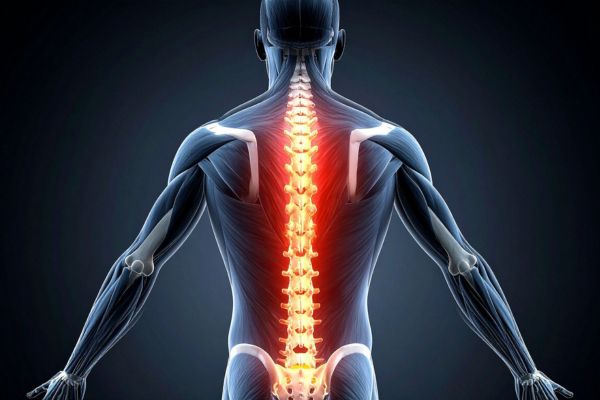
An orthopedic examination can evaluate movement, strength, stability, tenderness, and mechanical symptoms. X-rays, ultrasound, or MRI may be appropriate depending on the suspected condition.
Stem Cell Medellín identifies Dr. CHAO in an orthopedic context relevant to musculoskeletal and regenerative care. Clinical assessment can help establish whether an injection approach matches the diagnosed problem or whether another treatment should take priority.
This matters because PRP cannot mechanically correct every structural injury. A treatment plan should account for both biological and mechanical contributors to dysfunction.
What Can Patients Realistically Expect?
Expectations after a PRP injection should be tied to the condition being treated and the quality of evidence for that application.
PRP does not guarantee tissue regeneration, pain elimination, or a particular recovery timeline. Research findings are condition-specific and sometimes inconsistent.
For example, evidence for knee osteoarthritis continues to evolve, while studies involving sports injuries have produced varying results. A recent review of acute muscle injuries found possible benefits for reinjury risk, but effects on return-to-sport time and pain remained less certain.
Patients should therefore ask how improvement will be measured. Reduced symptoms, increased function, return to activity, and structural tissue changes are different outcomes.
Making an Informed Decision About PRP
Before choosing a PRP injection, patients should know their diagnosis, why PRP is being proposed, what evidence supports that particular use, and what reasonable alternatives exist.
They should also ask about the PRP preparation, number of proposed injections, potential risks, expected follow-up, and rehabilitation plan.
Because PRP is prepared from the patient’s blood, it differs fundamentally from stem cell-based treatments. Both may be discussed within regenerative medicine, but their composition, proposed mechanisms, evidence, and clinical applications should not be treated as interchangeable.
A sound treatment decision connects the procedure with a specific clinical need rather than assuming that a regenerative label guarantees better results.
FAQs
What is inside a PRP injection?
It contains platelet-rich plasma prepared from the patient’s own blood. Processing concentrates platelets within the plasma, creating a preparation rich in platelet-associated growth factors and signaling molecules involved in biological responses to tissue injury.
Is PRP the same as stem cell therapy?
No. PRP is a blood-derived preparation containing concentrated platelets, while stem cell therapies involve cellular products. Their composition, biological mechanisms, regulatory considerations, supporting evidence, and potential clinical applications are different.
How quickly does PRP start working?
There is no universal timeline. Response can vary according to the diagnosis, tissue treated, PRP preparation, rehabilitation, and individual factors. Patients should avoid claims promising improvement within a guaranteed period.
Can PRP regenerate damaged tissue?
PRP contains biological factors involved in tissue responses, but this does not guarantee regeneration. Evidence differs by condition, and symptom or functional improvement should not automatically be interpreted as complete structural healing.
How does Stem Cell Medellín determine PRP candidacy?
Stem Cell Medellín can consider the diagnosis, affected tissue, clinical examination, imaging when appropriate, previous treatment, medical history, and functional goals before determining whether PRP may have a reasonable role.