A stem cell injection is not simply an appointment where cells are administered into a painful area. Appropriate regenerative care begins earlier, with a diagnosis, medical screening, review of relevant records, and a clear reason for considering a cellular procedure.
The exact experience can vary according to the cellular product, treatment site, medical condition, and clinical protocol. For patients, understanding these variables is important because preparation, injection technique, aftercare, and follow-up should reflect the individual treatment rather than a universal formula.
How Is a Stem Cell Injection Planned?
Planning a stem cell injection starts by determining whether the patient’s condition provides a reasonable clinical rationale for regenerative treatment.
A physician may review medical history, current symptoms, previous treatments, medications, and relevant health conditions. Existing diagnostic imaging may also provide useful information when treatment involves a musculoskeletal structure.
The purpose is not simply to confirm that symptoms exist. It is to identify the tissue or condition involved and determine whether the proposed procedure reasonably matches that problem.
At Stem Cell Medellín, this assessment can also help identify patients for whom another treatment pathway may be more appropriate.
What Happens Before the Procedure?
Preparation for a stem cell injection depends on the treatment protocol and the patient’s health. There is no single preparation checklist appropriate for every cellular procedure.
Medical screening may include reviewing medications, allergies, previous procedures, and relevant laboratory or imaging results. Patients should disclose prescription medicines, over-the-counter products, and supplements rather than stopping them independently.
The clinician should also explain the intended treatment target, potential risks, alternatives, and expected follow-up before informed consent.
Someone considering stem cell treatment in Medellín should ask what cellular preparation will be used, why it was selected, and what evidence supports its proposed application.
Why Does Cell Preparation Matter?
The term stem cell injection can describe procedures involving different cellular preparations, so knowing what is actually being administered is important.
Cell source, processing, handling, dose, and delivery method can vary among regenerative approaches. These differences may influence biological characteristics and make it inappropriate to assume that research involving one product applies to every other cellular treatment.
Patients should ask whether cells come from their own tissue or another source, how the preparation is processed, and what quality and safety controls apply.
This specificity also helps distinguish evidence-based discussion from broad claims about “stem cells.” A treatment should be evaluated according to the actual cellular product and intended clinical use.
What Happens During the Procedure?
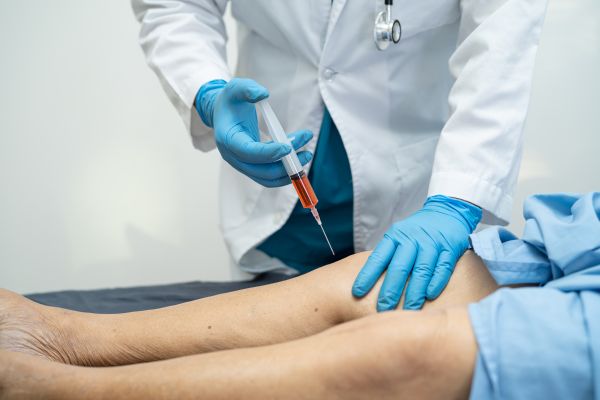
The prepared cellular product is generally delivered to a predetermined anatomical site. The exact injection technique and approach depend on the condition being addressed, the targeted tissue, and the treatment location.
The skin is prepared before administration, and measures may be used to manage procedural discomfort. For some musculoskeletal applications, imaging guidance may be considered to help identify anatomical structures and support accurate placement.
Procedure length and technique can vary, so patients should receive instructions specific to their treatment rather than expect every regenerative medicine injection to follow the same sequence.
Clinical technique is only one component of care. Accurate diagnosis, appropriate patient selection, product handling, and post-procedure planning also influence the overall treatment process.
What Can Patients Expect Immediately Afterwards?
After a stem cell injection, patients may receive instructions concerning activity, the injection site, medications, rehabilitation, and symptoms that should prompt medical attention.
Temporary soreness or local reactions may occur after an injection-based procedure, but expected effects depend on what was administered and where. Patients should receive individualized guidance rather than assume every post-treatment symptom is normal.
At Stem Cell Medellín, follow-up planning can form part of the wider treatment process instead of treating the injection itself as the endpoint of care.
Importantly, immediate sensations after treatment do not establish whether a cellular therapy has worked. Clinical outcomes may require assessment over time using measures relevant to the original condition.
Why Is Physician Oversight Important?
Medical oversight is particularly important with a stem cell injection because treatment involves more than placing cells at an injection site.
A physician must consider whether the diagnosis supports the procedure, whether relevant risks have been identified, and whether another intervention should take priority.
Dr. Catalina Henao leads regenerative medicine care at the clinic, according to its current website. Her role is relevant to the medical assessment and treatment-planning context surrounding cellular procedures.
Physician involvement also supports informed consent. Patients should have an opportunity to discuss what the treatment is intended to achieve, what remains uncertain, and what alternatives are available before proceeding.
What Should Follow-Up Evaluate?
Follow-up care should focus on meaningful clinical outcomes rather than assuming treatment success from the procedure alone.
Depending on the condition, assessment might consider symptoms, mobility, physical function, return to activity, or other condition-specific measures. Additional imaging may be appropriate in selected circumstances, but an imaging change and clinical improvement are not necessarily equivalent.
Recovery timelines should not be guaranteed. Biological response, underlying disease, rehabilitation, and individual health factors can influence progress.
Patients should also know whom to contact if they experience unexpected or worsening symptoms after treatment. Clear follow-up arrangements are an important part of responsible regenerative care.
What Are the Important Limitations and Safety Considerations?
Before receiving a stem cell injection, patients should distinguish treatment availability from established evidence or regulatory approval.
The FDA warns that unapproved regenerative medicine products can carry serious risks. Its reported safety concerns include infections, unwanted inflammatory or immune responses, neurological events, and tumor formation.
Regulatory status depends on the product and jurisdiction. In the United States, the FDA regulates cellular therapy products and maintains information on approved products.
Patients should therefore avoid claims promising guaranteed regeneration, pain relief, recovery timelines, or cures. The appropriate question is whether the specific procedure has a reasonable evidence-based role for the condition being treated.
Preparing for an Informed Treatment Decision
A stem cell injection should be viewed as one stage within a larger clinical process. Medical screening establishes whether treatment deserves consideration; procedural planning determines what will be administered and where; follow-up evaluates what happens afterward.
Before treatment, patients should know the cellular product, intended target, supporting evidence, potential risks, alternatives, and aftercare requirements.
These details provide a more useful basis for decision-making than the injection itself. Regenerative medicine continues to evolve, and treatment suitability depends on both the individual patient and the specific cellular approach being considered.
FAQs
Is a stem cell injection painful?
Discomfort can vary according to the injection site, technique, and individual patient. Patients should ask beforehand how procedural discomfort will be managed and what temporary sensations may reasonably occur afterward.
How should I prepare for treatment?
Preparation varies by procedure. Patients may need to provide medical records, imaging, medication information, and relevant health history. Medication changes should only be made according to instructions from the treating medical team.
How long does recovery take?
There is no universal recovery period. Timing can depend on the treated condition, injection site, cellular procedure, rehabilitation plan, general health, and individual response. Guaranteed recovery timelines should be avoided.
What should I ask before treatment?
Ask about the cellular product, its source and processing, intended treatment target, supporting evidence, potential risks, alternatives, injection technique, aftercare, and how clinical outcomes will be evaluated.
How does Stem Cell Medellín determine candidacy?
Stem Cell Medellín can consider the diagnosis, medical history, relevant imaging, previous treatments, current health, and treatment goals before deciding whether a regenerative procedure may be appropriate for an individual patient.
Explore Our Regenerative Treatments in Medellin
- Stem Cells in Colombia: 2026 Guide for International Patients
- Stem Cell Therapy Prices by Dose
- Knee Pain Stem Cell Therapy
- Joint Pain Stem Cell Therapy
- Back Pain Stem Cell Therapy
- Shoulder & Rotator Cuff Stem Cell Therapy
- Hip Pain Stem Cell Therapy
- Sports Injury Stem Cell Therapy
- Longevity & Anti-Aging Therapy
- Meet Dr. Catalina Henao