People considering regenerative medicine often focus on possible benefits. However, understanding stem cell therapy risks Medellin patients may face is equally important. No medical intervention is completely risk-free, and cell-based procedures require careful clinical judgment.
A responsible discussion of stem cell therapy risks Medellin should distinguish routine procedural concerns from uncommon or uncertain complications. It should also explain how screening, qualified oversight, and follow-up help reduce avoidable harm without promising complete safety.
Why Safety Profiles Differ Between Procedures
“Stem cell therapy” describes several medical and investigational approaches. These procedures do not necessarily use identical cells, preparation methods, or delivery techniques. Their risks should therefore be assessed separately.
The strength of supporting evidence matters as well. Some stem cell applications have established uses, but many commercial regenerative interventions remain investigational. The FDA advises patients to verify regulatory status and question products marketed without adequate evidence of safety or effectiveness.
Understanding Stem Cell Therapy Risks Medellin
Potential regenerative therapy risks depend on the exact intervention. Some relate to needles or other delivery methods. Others arise from sourcing, processing, storage, handling, or administration.
Possible concerns include:
- Pain, swelling, or bruising
- Bleeding at the treatment site
- Infection
- Allergic or immune reactions
- Injury to nearby nerves or tissues
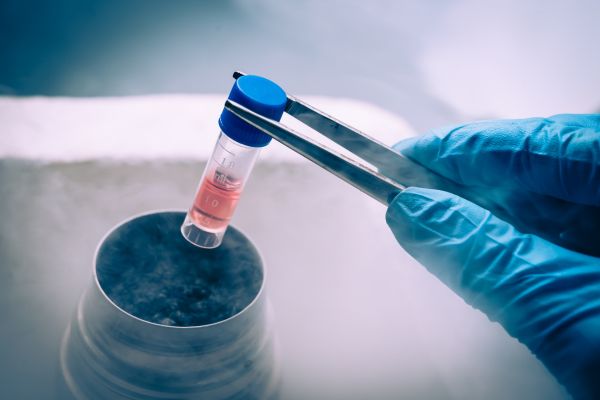
- Contamination during product handling
- Unintended tissue responses
- Worsening symptoms or no improvement
- Delayed access to more suitable care
This list does not mean every procedure carries every risk. It shows why stem cell therapy risks Medellin must be evaluated according to the proposed product and delivery method. Long-term uncertainty may also matter because administered cells can remain in the body.
How Screening Reduces Avoidable Harm
Safety planning begins before a product is prepared. A physician must confirm the diagnosis and decide whether the proposed intervention is medically reasonable.
Assessment may include health history, imaging, laboratory results, allergies, medications, and previous procedures. It may identify infection, bleeding concerns, immune disorders, or unstable chronic disease. These findings can change the plan or postpone treatment.
At Stem Cell Medellín, clinical information is reviewed before suitability is determined. Screening supports complication prevention, but it cannot guarantee a risk-free result.
Why Clinical Oversight Matters
Appropriate medical supervision involves more than having a physician present during administration. It should guide patient selection, treatment planning, procedural precautions, and follow-up decisions.
Written clinical protocols help teams complete essential steps consistently. Depending on the intervention, protocols may address sterile technique, patient identification, product handling, administration, observation, and responses to adverse events.
When evaluating stem cell therapy risks Medellin, patients should ask who performs the procedure and who manages complications. They should also know how to obtain help after leaving the clinic.
The International Society for Stem Cell Research recommends appropriate oversight, voluntary informed consent, adverse-event planning, and outcome monitoring for cell-based interventions.
People considering regenerative treatment in Medellín should expect decisions based on their diagnosis rather than a standard package offered to everyone.
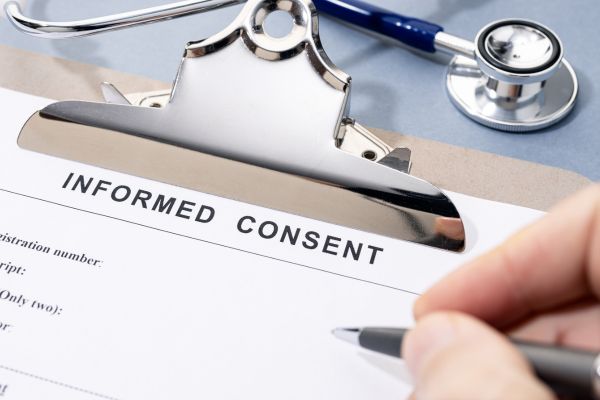
What Informed Consent Should Cover
Signing a document is not the complete meaning of informed consent. Consent should involve an understandable discussion before the patient agrees to proceed.
The discussion should explain:
- The procedure and its intended purpose
- Whether the application is established or investigational
- Known, possible, and uncertain risks
- Realistic potential benefits
- Available alternatives
- Required follow-up
- Financial responsibilities
- The response plan for complications
A complete explanation of stem cell therapy risks Medellin should never rely on testimonials or vague claims that cells are natural. Biological products can still cause complications or fail to produce the intended outcome.
Follow-Up and Warning Signs
Safety responsibilities continue after administration. Patients should receive written instructions describing expected short-term effects and symptoms requiring medical attention.
Increasing redness, fever, severe swelling, unusual drainage, breathing difficulty, or rapidly worsening pain may require prompt assessment. Relevant warning signs depend on the procedure and delivery route.
Patients should know whom to contact after treatment and receive an appropriate follow-up schedule. Urgent symptoms may require immediate nearby medical assistance.
Making a Safety-Conscious Decision
Evaluating stem cell therapy risks Medellin means examining the entire care pathway. Product quality matters, but so do screening, technique, emergency planning, communication, and monitoring.
Stem Cell Medellín clinicians explain uncertainty, alternatives, and realistic outcomes. Patients can then compare potential benefits with known and unknown risks before deciding whether treatment deserves consideration.
Frequently Asked Questions
1. Is stem cell therapy completely safe?
No medical procedure is completely safe. Risk depends on the product, delivery method, treatment area, and patient’s health. Careful screening may reduce preventable complications, but it cannot guarantee that an adverse event will not occur.
2. What are common procedure-related concerns?
Possible concerns include pain, swelling, bruising, bleeding, and infection. Their likelihood differs between procedures. Patients should ask which effects are expected, how long they may last, and when medical assessment becomes necessary.
3. Can donor cells cause an immune reaction?
An immune reaction may be possible when biological material comes from a donor. The risk depends on the product and processing. A physician should explain the cell source and relevant immune considerations before treatment.
4. Why do processing standards matter?
Proper sourcing, handling, storage, and preparation help limit contamination and quality problems. Patients should ask where the product originates, how it is processed, and which stem cell safety standards govern its use.
5. What information belongs in informed consent?
Consent should cover the procedure, evidence, alternatives, potential benefits, known risks, uncertainties, follow-up, and costs. It should also identify whom the patient can contact if symptoms develop afterward.
6. How does the clinic approach patient safety?
Stem Cell Medellín uses physician-led assessment, individualized planning, procedural precautions, and follow-up guidance. These measures help identify avoidable concerns and support responsible care, but they cannot eliminate every risk or promise results.
7. What should patients verify before booking?
When researching stem cell therapy risks Medellin, patients should ask about physician qualifications, product sourcing, evidence, oversight, emergency planning, and follow-up. Clear answers should replace guarantees, pressure, or claims that minimize uncertainty.