Short answer
Stem cell therapy is a regenerative treatment that uses stem cells, most often mesenchymal stem cells, to help the body reduce inflammation and support tissue repair. Blood-forming stem cell transplants are an established treatment for blood cancers; for joint, tendon and back pain the evidence is still developing, and no stem cell product is FDA approved for orthopedic conditions.
What is stem cell therapy, and how does it differ from other forms of regenerative medicine? Stem cell therapy refers broadly to medical approaches involving stem cells or stem-cell-based products for specific therapeutic purposes. The cells, procedures, and quality of supporting evidence can vary significantly between applications.
Stem cells are distinctive because they can self-renew and develop into more specialized cell types. These properties have created important opportunities in medical research and established areas of medicine. However, they do not mean every stem cell treatment can regenerate tissue or successfully address every condition.
Understanding the distinction between established therapies, emerging research, and experimental applications can help patients make more informed healthcare decisions.
What Is Stem Cell Therapy and How Does It Work?
To answer what is stem cell therapy, it helps to understand why stem cells are medically significant. The National Institutes of Health identifies two defining properties: stem cells can self-renew and can differentiate into specialized cell types.
Researchers study these abilities to better understand human development, disease processes, and potential approaches to tissue repair. However, stem cell therapy does not have one universal mechanism.
How a cellular treatment behaves can depend on the type and source of cells, their preparation, route of administration, and intended medical application. Researchers are also investigating how certain cellular approaches may influence biological signaling, inflammation, and tissue response.
Some stem cell applications already have established roles. Blood-forming stem cells, for example, are used in transplantation for certain blood and immune-system disorders.
Other applications remain under investigation. This is why a stem cell treatment should be evaluated based on its specific purpose and evidence, rather than on the general potential of stem cells.
What Types of Stem Cells Are Used or Studied?
Understanding what is stem cell therapy also requires recognizing that different stem cells have different biological characteristics.
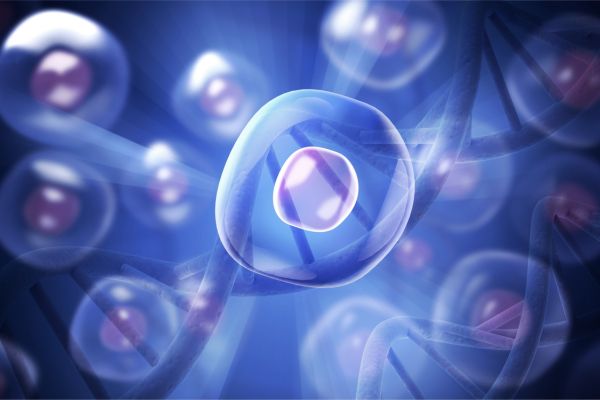
Adult or somatic stem cells exist within developed tissues and contribute to their maintenance and repair. Their differentiation capacity is generally more restricted than that of pluripotent cells.
Embryonic stem cells are pluripotent, meaning they can develop into essentially all cell types of the adult body. Their potential makes them valuable for research, although their use involves specific scientific, ethical, and regulatory considerations.
Induced pluripotent stem cells (iPSCs) are mature cells reprogrammed into a pluripotent state. Researchers use them extensively for disease modeling, drug development, and investigations into future cellular therapy applications.
Mesenchymal stromal/stem cells are also widely studied within regenerative medicine. Their possible therapeutic applications continue to be investigated, but evidence varies by condition and treatment protocol.
Knowing the cell type is therefore important. Simply being told that a procedure “uses stem cells” does not establish its effectiveness or suitability.
What Is Stem Cell Therapy Used For?
When people ask what is stem cell therapy, they often want to know which conditions it can treat. This question requires a distinction between established applications and investigational uses.
Hematopoietic stem cell transplantation has established medical applications for certain blood and immune-system disorders. Beyond these established uses, researchers continue studying regenerative approaches in fields including musculoskeletal medicine, neurology, cardiovascular medicine, and tissue injury.
Evidence is not equally strong across these areas. A biological mechanism that appears promising in laboratory research does not automatically translate into meaningful clinical improvement.
This distinction is especially important when considering regenerative care. Patients should ask what evidence supports the specific treatment being proposed rather than relying on broad claims about stem cells.
The U.S. Food and Drug Administration has also warned consumers about unapproved regenerative medicine products marketed for various diseases and injuries. Regulatory requirements differ between countries and depend on the specific product and intended use.
Orthopedic injuries are the most common reason patients ask about this therapy. We look at what the research supports for meniscus tears, ACL tears and elbow injuries separately, because the evidence is not the same for each.
Who May Be Considered for Stem Cell Treatment?
A complete answer to what is stem cell therapy should include candidacy because interest in treatment does not automatically make someone an appropriate candidate.
A patient evaluation may consider diagnosis, medical history, symptoms, imaging, previous treatments, medications, general health, condition severity, and treatment goals. These factors can influence whether a regenerative approach is reasonable to consider.
Two people with similar symptoms may have very different underlying medical problems. Consequently, appropriate treatment planning should begin with diagnosis and clinical assessment rather than selecting a procedure first.
People researching stem cell treatment in Medellín should consider whether the provider offers appropriate medical assessment alongside the procedure itself.
At Stem Cell Medellín, Dr. Catalina Henao provides relevant physician-led context for regenerative medicine and treatment planning. A medical consultation can help determine whether a proposed approach fits the patient’s diagnosis, health status, and realistic treatment goals.
What Are the Potential Benefits and Limitations?
Discussing what is stem cell therapy responsibly means addressing limitations as clearly as potential benefits.
The term “regenerative medicine” can sometimes create unrealistic expectations. A regenerative treatment should not be interpreted as a guarantee that damaged tissue will regrow or that symptoms will disappear.
Researchers continue examining how different cellular approaches may affect inflammation, signaling, tissue environments, and repair processes. Yet biological activity does not necessarily establish a meaningful clinical benefit.
Evidence also differs substantially between medical applications. Some uses of stem cells are established, while others remain experimental or supported by limited clinical evidence.
Patients should be cautious about promises of guaranteed pain relief, complete recovery, tissue regeneration, or avoiding necessary surgery. Conventional treatments, rehabilitation, medication, or surgery may still be appropriate depending on the diagnosis.
Stem Cell Medellín and any physician-led regenerative provider should therefore be assessed on the quality of clinical evaluation, evidence discussed, realistic expectations, and transparency about potential limitations.
What Should Patients Ask Before Treatment?
Learning what is stem cell therapy is only the first step toward making an informed decision.
Patients should ask what type of cells or cellular product is being proposed, where it comes from, and why that particular approach is being considered. They should also ask about supporting clinical evidence and known risks.
Other useful questions include whether alternative treatments exist, how outcomes will be assessed, whether rehabilitation is necessary, and what follow-up care may involve.
Regulatory status should also be discussed. A treatment’s regulatory position can vary according to the cellular product, intended use, and country where treatment occurs.
Most importantly, treatment decisions should follow medical evaluation. A responsible stem cell treatment discussion should help patients compare potential benefits, uncertainties, risks, and conventional alternatives without promising a particular outcome.
Ultimately, what is stem cell therapy cannot be answered by describing stem cells alone. The term covers different cellular approaches with different purposes and levels of supporting evidence. Understanding the cell type, medical indication, evidence, limitations, and individual suitability provides a much stronger basis for deciding whether regenerative medicine deserves further consideration.
Cost belongs on that list of questions too, starting with whether insurance covers stem cell therapy.
Frequently Asked Questions
Is stem cell therapy the same as regenerative medicine?
No. Regenerative medicine is a broader medical field. It can include stem cells, other cellular approaches, tissue engineering, and techniques being studied to support tissue function or repair.
What is stem cell therapy expected to do?
The goals of stem cell therapy depend on the specific application. Its biological mechanisms, supporting evidence, and potential outcomes can vary significantly between conditions and types of cellular treatment.
Does everyone qualify for stem cell treatment?
No. Suitability may depend on diagnosis, condition severity, medical history, previous treatments, imaging, general health, and treatment goals. A physician should evaluate these factors before recommending treatment.
Are all stem cell treatments clinically proven?
No. Some stem cell applications have established medical uses, while others remain investigational or have limited evidence. Patients should ask specifically about evidence supporting the proposed treatment.
Where can I discuss whether regenerative treatment is appropriate?
A medical consultation is the appropriate starting point. Stem Cell Medellín can evaluate relevant medical information and discuss whether a regenerative approach may warrant consideration for an individual patient.
Before you decide
If you are weighing whether this is for you, three questions usually come first. What the cells actually are and how they are studied is covered in our guide to mesenchymal stem cell therapy.
What the appointment itself involves — preparation, the injection and the hours after it — is set out step by step in the stem cell injection procedure.
And before booking anything, it is worth reading what patients should know before getting started, together with what to expect when visiting a clinic.
Explore Our Regenerative Treatments in Medellin
- Stem Cells in Colombia: 2026 Guide for International Patients
- Stem Cell Therapy Prices by Dose
- Knee Pain Stem Cell Therapy
- Joint Pain Stem Cell Therapy
- Back Pain Stem Cell Therapy
- Shoulder & Rotator Cuff Stem Cell Therapy
- Hip Pain Stem Cell Therapy
- Sports Injury Stem Cell Therapy
- Longevity & Anti-Aging Therapy
- Meet Dr. Catalina Henao