Short answerOnly a few stem cell products are FDA approved, and they are mostly umbilical cord blood products for blood and immune disorders. No stem cell product is FDA approved for knee, hip, back, shoulder or neck pain. Labels such as “FDA registered”...

Latest News
Our Blog
Learn about our achievements and expertise.
Stem Cell Injection: Procedure, Preparation and What to Expect
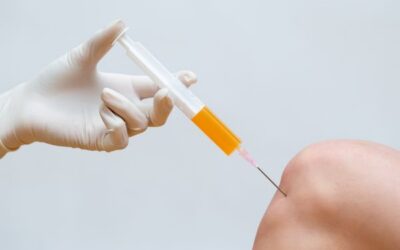
A stem cell injection is not simply an appointment where cells are administered into a painful area. Appropriate regenerative care begins earlier, with a diagnosis, medical screening, review of relevant records, and a clear reason for considering a cellular procedure....
Stem Cell Therapy for Knees: Candidacy, Evidence and Treatment
The knee contains cartilage, bone, ligaments, menisci, tendons, and synovial tissue working together to support movement. Damage can affect these structures in different ways, so regenerative treatment cannot be approached as one solution for every knee condition....
What Does Stem Cell Therapy Do? Understanding Its Role in Regenerative Medicine
When people hear about regenerative medicine, they may imagine stem cells simply replacing damaged cells. The science is considerably more complex. So, what does stem cell therapy do once cells are introduced into a biological environment? Researchers are studying...
Stem Cell Treatment: What Patients Should Know Before Getting Started
Interest in stem cell treatment has grown as regenerative medicine research explores how cellular therapies may interact with damaged or diseased tissues. Yet the term covers very different products, procedures, and medical applications. There is no single treatment...
Mesenchymal Stem Cell Therapy: What It Is and How It Is Studied
Mesenchymal stem or stromal cells, commonly called MSCs, have become an important focus of regenerative medicine research. Scientists study these cells not only because of their ability to develop into certain cell types under laboratory conditions, but also because...
Stem Cell Therapy for Pain: When Is Regenerative Care Considered?
Pain is a symptom, not a single diagnosis. Persistent discomfort can originate from cartilage, tendons, muscles, discs, joints, or other musculoskeletal structures. Inflammation, degeneration, mechanical stress, and previous injuries may also contribute in different...
Shoulder Pain and Stem Cell Therapy: Understanding Your Treatment Options
For many patients, shoulder pain begins to affect everyday activities, exercise, work, and sleep over time. Simple movements may become uncomfortable over time. Reaching overhead or lifting objects often increases discomfort. Some people develop symptoms suddenly...
Stem Cell Exosome Therapy: What It Is and What the Evidence Shows
Exosomes have attracted growing interest because they provide clues about how cells communicate without requiring the cells themselves to become replacement tissue. These microscopic extracellular vesicles can transport proteins, lipids, and nucleic acids between...
PRP Injection: How It Works, Uses and What Patients Can Expect
A PRP injection uses a concentrated preparation made from a patient's own blood. PRP stands for platelet-rich plasma. Although platelets are best known for their role in clotting, they also contain proteins and signaling molecules involved in the body's response to...